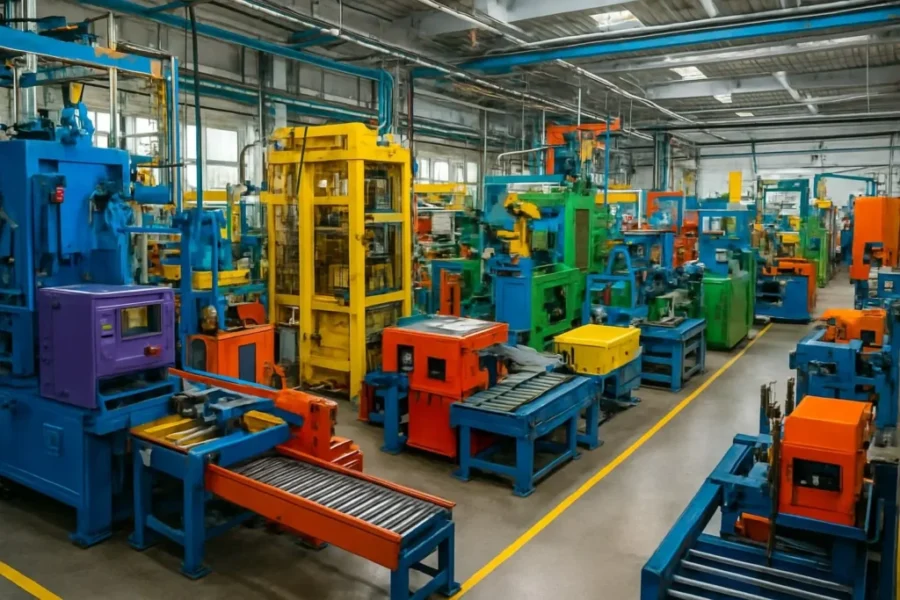
Things are always changing in the business world. Assets move from one company to another as the industry grows, changes, and starts over. Business asset auctions are very important in this ever-changing market because they make it easy and clear for companies to buy and sell valuable items, tools, and inventory. Auctions are a flexible way for businesses to get rid of things that they no longer need, upgrade their equipment, or free up cash. They are good for both buyers and sellers.
At their core, business asset auctions are an organised and competitive way to move assets from one person to another. Auctions are different from private sales or classified ads because many people can bid at the same time. This often drives prices up to reflect what the item is really worth on the market. One of the best things about business asset auctions for both sides is how clear everything is. Buyers can get a wide range of goods and tools without having to spend a lot of time negotiating, and sellers can be sure that they will get a fair price for their items. The auction setting promotes efficiency, lowers the administrative load, and lets the market decide what something is worth.
Businesses that want to get rid of assets quickly can rely on auctions to be a reliable choice. When a business is going through a reorganisation, merger, or bankruptcy, it often needs to quickly get rid of tangible assets in order to get money back or meet its responsibilities. Auctions are a streamlined way to solve the problem because they bring together qualified buyers in one step, which ensures competitive buying with few delays. The assets that a business owns can be almost anything, from factory tools and office furniture to commercial vehicles and IT systems. By setting reserve prices and getting professional appraisals ahead of time, sellers stay in charge while increasing the chance of a comeback.
Business asset auctions, on the other hand, are very appealing to buyers because they offer the chance to get good things at reasonable prices. A lot of businesses that are growing use sales as a smart way to get more equipment while keeping the costs of buying it low. Instead of spending a lot of money on brand-new tools, businesses can find reliable used items that are ready to be used right away. This method not only cuts down on capital costs, but it also helps reach environmental goals by encouraging reuse and lowering waste. The auction format lets buyers take part either online or in person, based on the organiser. This makes it easy for businesses of all sizes to get involved.
The move towards digitalisation in recent years has changed how business asset sales work. On-site auctions are still useful, especially for big cars and industrial equipment, but online auction sites have become very popular because they are easier to use and can reach more people. Businesses can now list, bid, and buy and sell things from afar, which means that buyers can come from all over the world. This trend has also made things more clear, since online ads often have full descriptions, photos, and inspection reports. Business asset auctions are now an important part of modern asset management strategies because digital tools make it easier to communicate, process payments, and organise tasks.
Business asset sales are great because they are open and hold people accountable. From listing the items for sale to the final sale, each step is governed by clear rules and is watched by seasoned auction professionals. Buyers know exactly what they’re bidding on thanks to condition reports and the chance to view the item. Sellers, on the other hand, benefit from verified participant registration and safe transaction management. This amount of organisation keeps everyone from getting into fights and builds trust at the same time. For this reason alone, many businesses like auctions: they get rid of the uncertainty that can come up in private sales or direct talks.
Another important part of business asset auctions is figuring out how much an object is worth. Before an item is listed, it is evaluated by a professional to get a good idea of how much it is worth on the market. This step makes sure that the reserve prices are set in a way that helps buyers get the best results. Buyers also feel more confident when they know that appraisals are based on experts in the field and are often backed up by data from past sales and current market trends. Accurate valuation is necessary to make sure that bidding is competitive and practical, just like the way the market really works. This is true whether the assets being sold are manufacturing tools, vehicles, furniture, or extra stock.
Business asset sales also do well when they happen at the right time. Businesses often plan sales around big changes in their operations, like when they move, merge, or shut down. By picking the right time, sellers can get the most publicity and get serious bidders interested. Seasonal factors, market demand, and business cycles can all affect how a bid turns out. For instance, building companies may do better when there are a lot of projects going on, while IT and office equipment companies tend to do well when start-ups and service companies are growing. By knowing these details, buyers can set up their assets to get the best return possible.
There are different kinds of auctions for business assets, and each one is best for a different scenario. When a business is closing or reorganising, liquidation deals are often used to get rid of its assets quickly and get the most money possible. Surplus auctions are where businesses can get rid of things they no longer need, like old machines or new tools, as long as the items are still usable. When a business wants to get rid of assets in an organised way that saves both time and money, they may use managed auctions, which are also sometimes called “orderly sales.” Because of this, companies can change their auction tactics to fit their needs.
Auctions for business assets are appealing for more than just price and speed. A lot of groups see them as part of a bigger plan to be more environmentally friendly. By moving things around within the industrial ecosystem, auctions help valuable materials last longer and have less of an effect on the environment than new manufacturing. Reusing assets instead of throwing them away cuts down on waste and improves resource efficiency, which is in line with today’s standards for business sustainability. Businesses are putting more emphasis on green operations and circular economy concepts, which makes this factor even more important.
Auctioning off business assets is a good way to make money and be flexible with your finances. Companies can turn idle assets into working capital instead of having them sit around and break down. This cash flow makes it possible to reinvest in new technologies, process changes, or other ways to make operations better. In the same way, businesses that take part as buyers can improve their chances of growth by getting the tools they need to increase output without spending too much money. It is a method that works well for everyone and keeps money moving around in the economy.
Even though they have many benefits, business asset sales need to be carefully planned out in order to be successful. To get real bidders, sellers must make sure that all of their listings are clear, well-documented, and correctly described. Photos, records of service, and records of upkeep make the information more trustworthy and appealing. Before bidding, buyers need to do their research, checking the state of the assets, making sure they will work together, and making sure they know how they will be delivered. Most auction sales are final and can’t be returned, so it’s important to make an informed choice. This planning helps keep things fair and, in the end, protects the auction process’s purity.
Business asset sales are also affected by things like laws and rules. There are rules about how to run an auction that cover things like how to transfer goods, handle money, and protect buyers’ rights. For sellers, compliance makes sure that goods are sold properly and that all deals follow rules for money and the environment. For buyers, it gives them peace of mind that the assets they’re buying are real and don’t have any claims or debts that haven’t been revealed. The safety and professionalism of the auction setting are helped by these legal rules.
Technology keeps making business asset sales easier to get to and more efficient. Multiple users can participate in real time on advanced bidding platforms, and built-in payment systems make the settlement process easier. Some newer systems even use data analytics to guess how people will bid, which helps auctioneers make plans and choose the best reserve prices. Augmented reality and virtual watching tools have made auctions more open to everyone and better for the environment by letting buyers look at items in more detail without having to travel. As new ideas keep coming up, the future of asset sales looks bright for more people to take part and better efficiency.
The future of sales for business assets also shows how the economy and society are changing in general. Auctions are an important part of smart asset management because they help businesses save money, be more environmentally friendly, and get the most out of their assets. They help businesses respond quickly to changes in the market, which makes them more flexible and resilient in difficult times. This job is likely to grow as we move towards digitalisation. Safe, data-driven networks will connect more buyers and sellers, making trading assets easier than ever. Global economic cycles will continue to affect how businesses act, so bids will remain an important way to keep assets moving and keep the economy stable.
To sum up, business asset auctions are a lot more than just a way to get rid of old or unnecessary tools. They are an important part of modern business because they are efficient, clear, and flexible enough to be used in many scenarios. Auctions are a real way for both sellers and buyers to get what they want, whether it’s cash, to support environmental goals, or to get cheap resources. The auction process will become more important as UK companies change over time. It supports a market based on fairness, opportunity, and constant renewal.