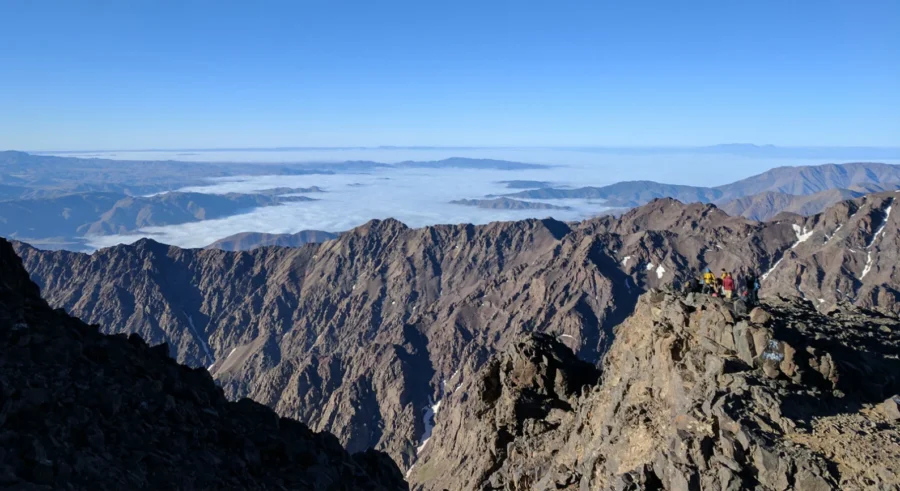
Standing majestically at 4,167 metres above sea level, Mount Toubkal represents the highest peak in North Africa and offers one of the most rewarding trekking experiences available to adventure enthusiasts. Located in the heart of Morocco’s Atlas Mountains, this spectacular summit attracts thousands of climbers annually who seek to challenge themselves whilst experiencing the breathtaking beauty of Berber culture and dramatic mountain landscapes. Understanding what to expect during a Mount Toubkal expedition ensures proper preparation and maximises the enjoyment of this incredible journey.
The approach to Mount Toubkal typically begins in the bustling village of Imlil, situated approximately 1,740 metres above sea level. This charming mountain settlement serves as the gateway to the High Atlas and provides trekkers with their first taste of traditional Berber hospitality. The village buzzes with activity as mules are loaded with supplies, guides organise equipment, and excited climbers prepare for their adventure. The atmosphere in Imlil perfectly captures the essence of Moroccan mountain culture, with local cafés serving mint tea and tagines whilst vendors offer last-minute trekking supplies.
The initial stages of any Mount Toubkal trek involve a steady ascent through the Mizane Valley, following well-established paths that wind through terraced fields and traditional Berber villages. The landscape transforms gradually as altitude increases, beginning with lush agricultural areas where locals cultivate crops using ancient irrigation techniques. Walnut groves and apple orchards give way to more rugged terrain as the path climbs higher, offering increasingly spectacular views of the surrounding peaks and valleys.
Weather conditions play a crucial role in the Mount Toubkal experience and vary dramatically depending on the season and altitude. During summer months, temperatures at lower elevations can be pleasantly warm, whilst the summit remains considerably cooler with potential for sudden weather changes. Winter expeditions present entirely different challenges, with snow covering the upper reaches and requiring additional technical equipment and experience. Spring and autumn generally offer the most favourable conditions, combining comfortable temperatures with clear visibility for maximum enjoyment of the stunning mountain vistas.
Accommodation during Mount Toubkal treks typically involves staying in mountain refuges or traditional guesthouses that provide basic but comfortable facilities. The Toubkal Refuge, located at approximately 3,200 metres, serves as the most common base camp for summit attempts. These refuges offer dormitory-style sleeping arrangements, communal dining areas, and spectacular panoramic views. The camaraderie amongst fellow trekkers from around the world creates a wonderfully international atmosphere where experiences and stories are shared over hearty mountain meals.
Physical preparation proves essential for successfully completing a Mount Toubkal expedition. The trek demands good cardiovascular fitness and strong leg muscles to handle sustained uphill walking at altitude. Regular hiking with a weighted backpack provides excellent preparation, as does cardiovascular training such as running or cycling. The mental preparation aspect cannot be overlooked, as maintaining positive attitudes during challenging sections significantly impacts overall enjoyment and success rates.
The cuisine experienced during Mount Toubkal treks offers a delightful introduction to authentic Moroccan mountain food. Traditional tagines featuring vegetables, meat, and aromatic spices provide sustaining nutrition perfectly suited to high-altitude trekking. Fresh bread baked daily, along with seasonal fruits and vegetables sourced from local farms, ensures varied and nutritious meals throughout the expedition. The famous Moroccan mint tea serves as both a warming comfort and social focal point, bringing trekkers together at meal times and rest stops.
Wildlife encounters add an extra dimension of excitement to any Mount Toubkal adventure. The Atlas Mountains support diverse ecosystems that change with altitude, from cultivated valleys to alpine environments near the summit. Barbary macaques, North Africa’s only native primate species, inhabit the lower forested areas and occasionally delight trekkers with unexpected appearances. Higher elevations host various bird species adapted to mountain conditions, whilst the dramatic landscape itself provides constant natural entertainment.
The cultural immersion aspect of Mount Toubkal treks offers profound insights into traditional Berber life and customs. Local guides share generations of mountain knowledge whilst demonstrating remarkable navigation skills across seemingly trackless terrain. Village encounters provide opportunities to observe traditional crafts, agricultural practices, and architectural techniques perfectly adapted to harsh mountain conditions. The genuine warmth and hospitality shown by local communities creates lasting memories that extend far beyond the physical achievement of reaching the summit.
Navigation on Mount Toubkal follows well-established routes that have been used for centuries by local communities. The main paths are generally clear and well-marked, though weather conditions can occasionally reduce visibility and make route-finding more challenging. Experienced local guides possess intimate knowledge of alternative routes and safe passage options, ensuring groups can adapt to changing conditions whilst maintaining safety standards. The final summit approach involves some scrambling over rocky terrain that requires careful attention but remains within the capabilities of reasonably fit trekkers.
Equipment requirements for Mount Toubkal expeditions vary according to season and personal preferences, but certain items prove essential for all attempts. Sturdy hiking boots with good ankle support handle the rocky terrain effectively, whilst layered clothing systems allow adaptation to changing temperatures and weather conditions. Quality sleeping bags rated for expected temperatures ensure comfortable nights in mountain refuges, whilst reliable head torches prove invaluable for early morning summit attempts that typically begin before dawn.
The summit experience of Mount Toubkal provides an incredibly rewarding culmination to the trekking effort. Clear weather reveals panoramic views extending across the entire Atlas range, with glimpses of the Sahara Desert visible to the south and the Atlantic coastal plains stretching westward. The sense of achievement gained from standing atop North Africa’s highest point creates lasting memories that many trekkers describe as life-changing experiences. The summit register provides an opportunity to record personal achievements alongside thousands of previous successful climbers.
Altitude considerations become increasingly important as Mount Toubkal expeditions progress towards higher elevations. Most trekkers experience some effects of reduced oxygen levels, typically including slightly increased breathing rates and occasional mild headaches. Proper acclimatisation through gradual ascent and adequate hydration helps minimise these effects. The standard itinerary allows sufficient time for bodies to adapt whilst maintaining reasonable progress towards the summit objective.
Photography opportunities throughout Mount Toubkal treks prove virtually unlimited, with dramatic mountain landscapes providing spectacular backdrops at every turn. Golden hour lighting transforms the red sandstone peaks into glowing monuments, whilst traditional Berber architecture offers fascinating cultural subjects. Summit photography captures both personal achievements and breathtaking panoramic vistas that serve as permanent reminders of this remarkable adventure.
The descent from Mount Toubkal often proves more challenging than anticipated, requiring careful attention to foot placement on loose rocky surfaces. However, this phase allows more relaxed appreciation of the stunning scenery that may have been overlooked during the concentrated effort of ascent. Return journeys through Berber villages provide additional opportunities for cultural interaction and souvenir shopping, with local artisans offering beautiful handcrafted items that make perfect expedition mementoes.
Seasonal variations significantly impact the Mount Toubkal experience, with each period offering distinct advantages and considerations. Summer expeditions enjoy long daylight hours and generally stable weather but must contend with higher temperatures at lower elevations. Winter climbs present dramatic snow-covered landscapes and crisp clear air but require additional technical skills and equipment. Spring and autumn provide optimal combinations of comfortable temperatures, clear skies, and vibrant natural colours that enhance photographic opportunities.
In conclusion, Mount Toubkal treks offer extraordinary combinations of physical challenge, cultural immersion, and natural beauty that create unforgettable adventure experiences. Proper preparation, realistic expectations, and positive attitudes ensure maximum enjoyment of this remarkable Moroccan mountain adventure that continues to inspire climbers from around the world.
Get in Touch:
Toubkal Trekking
Appartement A2, Bourj Ourika, Immeuble D, Marrakech 40000, Morocco
+212 6 62 16 06 90
toubkal-trekking.com