When a site is finished — a foundation neatly dug, a trench graded or a demolition cleared — the outcome looks deceptively simple. In reality that tidy result is the end point of a sequence of practical decisions: the machine chosen, the attachment fitted, the operator’s technique, site logistics and the service support that keeps everything running. Understanding those details makes it easier to specify equipment and manage projects with predictably good results.
For contractors and groundwork specialists, the finished appearance of an excavation matters because it affects follow-on trades, schedule reliability and cost control. Small differences in machine reach, bucket geometry or travel speed can change how quickly a job proceeds and how much rework is needed, so breaking the final result down into the parts that created it is a useful exercise for buyers and site teams alike.
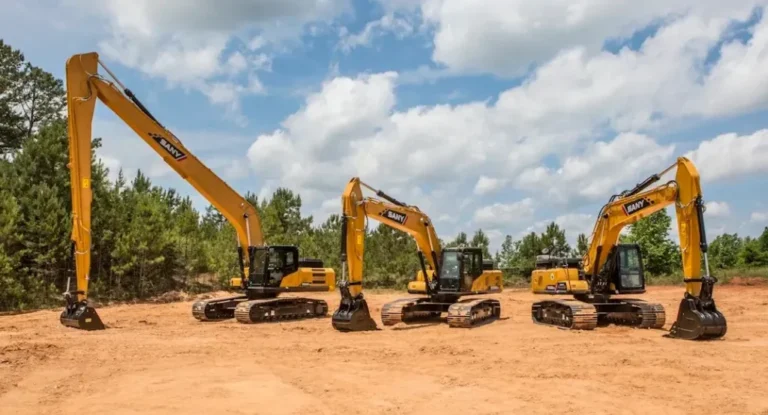
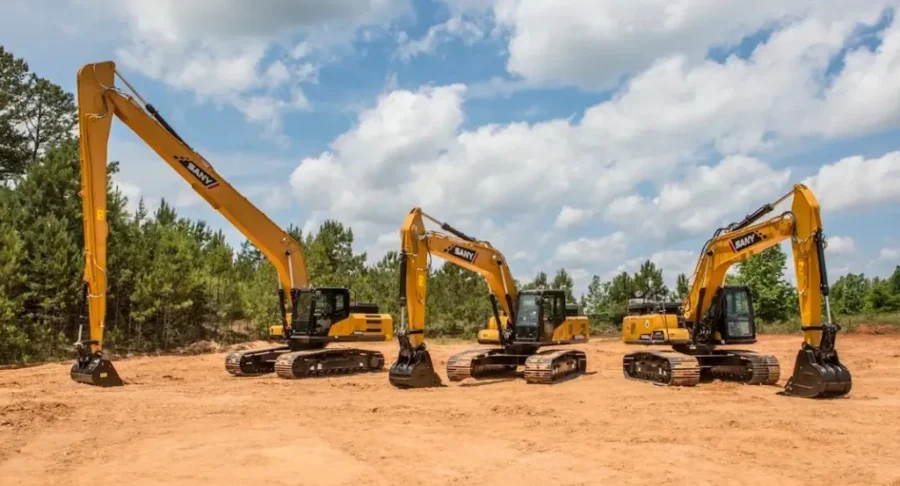
Selecting the right machine for a job is central: a well-chosen SANY excavator can reduce cycle times, lower fuel use and improve operator confidence, but the best choice depends on the task, site constraints and attachments required.
Choosing the right machine for the task
Excavators are not one-size-fits-all. Mini machines in the 1.6–8 tonne class excel where access is restricted, trenches are narrow and transport between urban sites matters; medium machines around 14–30 tonnes suit general construction and civil engineering; large models handle heavy earthmoving, quarries and large-scale infrastructure. When specifying a machine, focus on working envelope, lifting capacity and service access rather than headline weight alone.
Practical considerations often guide the decision: will the machine need to work close to buildings, operate on soft ground, or travel between sites on public roads? Ground-bearing pressure, tail swing type and transport dimensions affect how a machine performs in real conditions. If conservation of nearby structures is important, a compact model with precise hydraulics may deliver the desired finish without collateral impact.
Attachments, buckets and the finishing touch
Attachments are where the excavator’s capability is most obviously translated into the finished surface. Bucket shape, tooth pattern and width determine cut quality and spoil handling; grading buckets, tiltrotators or hydraulic breakers transform a base machine into a specialist tool. Matching the attachment to the task reduces double-handling and produces a neater result faster.
Practical examples: a narrow trench for utilities benefits from a trenching bucket that limits spoil spread; site levelling is easier with a wider, bladed bucket that smooths as it travels; demolition tasks require heavy-duty couplings and hydraulic breakers rated for the structure’s material. Operators who understand these trade-offs can choose the attachment that creates the intended finish in fewer passes.
Operator technique and on-site workflows
The human element remains decisive. Operators who are trained on a machine will use its hydraulics, reach and inertia to best effect — controlling bucket curl, swing speed and machine positioning to reduce rework. Encouraging consistent handovers, clear ground signals and a short briefing before each shift helps maintain the quality of the finished work across different crews.
Workflow design also matters: placing spoil and materials to minimise travel, scheduling tasks so excavators are used for their strengths rather than as general-purpose diggers, and co‑ordinating with groundworks teams so that compactors and surveyors follow closely behind. A practical, repeatable sequence of operations is as important as the machine itself when the goal is a reliably tidy finish.
Practical checks that save time
Simple pre-start checks — correct bucket pins, secure couplings, tyre or track condition and daily fluid inspections — prevent mid-shift interruptions that can degrade surface quality by forcing hurried recovery work. Small time investments at the start of the day translate into steadier productivity and a more consistent final appearance.
Site preparation, access and logistics
Access planning is often underestimated. Machines with different undercarriage widths or tail-swing characteristics require specific access routes; knowing this in advance avoids last-minute substitutions that can delay progress. Temporary trackways or crane-assisted lifts can be the difference between smooth operations and costly on-site improvisation.
Delivery and positioning also influence the finished result. Placing an excavator where it can work along its boom axis reduces repositioning, which speeds up cycle times and minimizes surface scuffing. Likewise, selecting a machine with the right transport dimensions makes it easier to meet programme constraints across multiple UK sites without additional mobilisation costs.
Maintenance, servicing and aftersales support
Equipment that is well supported stays productive. Regular servicing keeps hydraulic response consistent and reduces the chance of faults that interrupt delicate finishing tasks. Aftersales support that offers timely parts supply and technical advice can mean the difference between a short, managed pause in work and a longer delay affecting project completion.
For businesses that operate across the UK, access to local service points or mobile support is a practical advantage. Machines that come with straightforward warranty coverage and a clear maintenance schedule are easier to integrate into fleet management plans and can simplify decisions around leasing, hire or purchase.
Finance, ownership models and matching capacity to workload
Choosing whether to buy, lease or hire influences how teams approach the finished result. Ownership encourages investment in tailored attachments and operator training, while hire or short-term lease options provide flexibility to match machine size to individual projects. Flexible finance packages make it easier for firms to align equipment capacity with forecast workloads without overcommitting capital.
Practical procurement also considers transport and export flexibility for businesses that work across regional boundaries. Planning for predictable delivery windows and clear handover documentation ensures that machines arrive in the correct configuration and with the necessary accessories to achieve the desired site outcome.
Bringing the elements together on a live job
On any given project, the quality of the finished excavation is the sum of machine selection, attachment choice, operator skill, site logistics and the ongoing service that keeps equipment productive. Managers who break outcomes down into these components can pinpoint where incremental improvements will have the greatest effect.
Practical steps teams can take include trialling different bucket profiles on representative ground, documenting preferred machine-attachment pairings, scheduling short operator coaching sessions, and agreeing rapid parts supply arrangements with suppliers. These measures help turn a good result into a consistently repeatable one across multiple sites.
Final perspective
Understanding the practical details behind a finished result removes guesswork from equipment decisions. By focusing on the interplay between machine capability, attachments, operator technique and logistical planning, contractors can create workflows that reliably produce the required outcome with efficiency and control. That clarity supports better project planning, clearer procurement choices and ultimately a stronger reputation for delivering work finished to specification.
Get in Touch:
Fitzgerald Plant Services Ltd
Avondale Business Par, Avondale Rd, Cwmbran NP44 1TS
01633 860693
fitzgeraldplant.co.uk