It makes sense that many homeowners are apprehensive about investing in a full roof replacement. The initial cost might be high, which frequently causes people to put off repairs or choose short-term, piecemeal fixes. This hasty decision, though, can prove to be an expensive error. The financial perspective is drastically altered when a roof replacement is seen as an essential long-term investment rather than an inevitable outlay. A complete roof replacement is a wise financial move that safeguards the entire property and improves its operating efficiency when the hidden costs of a failing or ageing roof are calculated over a number of years.
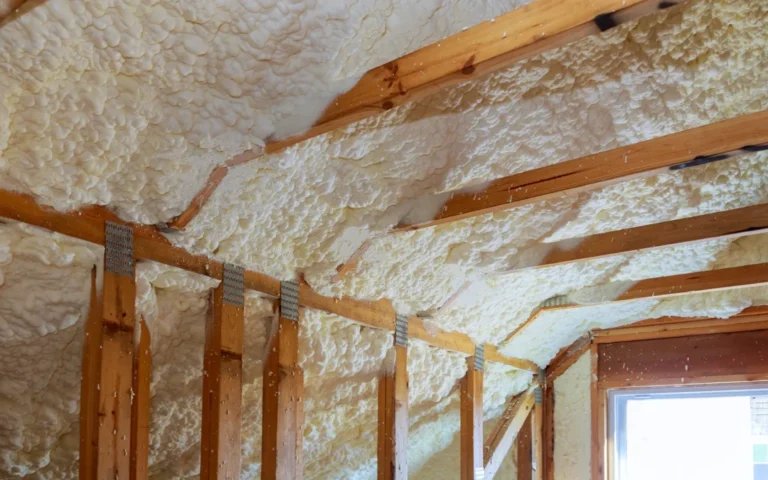
Energy efficiency is one of the most obvious and important areas where a roof replacement provides long-term benefits. An ageing roof is a significant thermal weak point in a home’s envelope, particularly if it has inadequate or deteriorated insulation. The heating and cooling systems have to work harder and longer because of the increased heat gain in the summer and the increased heat loss in the winter. In contrast, installing high-quality, contemporary insulation materials during a modern roof replacement significantly increases the roof’s thermal resistance. Every year, this decreased requirement for continuous temperature control results in lower energy costs. Over time, a significant percentage of the initial roof replacement expense can be covered by the cumulative savings on gas and energy expenses.
The materials utilised in a complete roof replacement can save energy in addition to insulation. Modern roofing materials, particularly dark, heavy tiles or slates, may have reflecting surfaces or are made to dissipate heat more efficiently than their older counterparts. A full roof replacement lessens the strain on air conditioners during the warmer months by decreasing the amount of solar heat gain via the roof structure. By doing this, the HVAC system’s lifespan is increased and costly, early repairs or a complete system update are avoided. An energy-efficient roof replacement has a visible cyclical effect, resulting in decreased monthly bills and postponed capital expenditures on other important home systems.
Perhaps the most costly and pernicious effect of postponing a critical roof replacement is water intrusion, or leaks. Water can enter the building through a compromised roof membrane or broken tiles, causing expensive secondary damage. Minor ceiling stains may be the first signs of this, but plastering, electrical systems, and interior décor damage can swiftly follow. Importantly, water intrusion weakens the home’s structural integrity by causing timber rot in the wall plates, ceiling joists, and roof structure. By removing these entrance holes, a full roof replacement creates a strong, waterproof barrier that safeguards the structure. The initial investment in a complete roof replacement is financially prudent due to the money saved by avoiding potentially disastrous structural repairs, not to mention the mould cleanup that is frequently required after extended moisture.
A financial trap that many homeowners fall into is the cycle of constant, temporary repairs. In the moment, it may seem cost-effective to fix a leak, replace a few missing slates, or reseal flashing, but these small fixes hardly ever address the underlying systemic breakdown of an old roof. These repairs become more frequent as the roof deteriorates, and the quality of the interim solution declines. The total cost of these sporadic, reactive repairs over 10 years may be comparable to or even higher than the price of a proactive, one-time roof replacement. This cycle is broken by choosing a complete roof replacement, which offers a comprehensive, warranty-backed solution that significantly lowers maintenance costs for decades. The assurance that the roof is sound alone is priceless, but the real savings in fewer unplanned maintenance visits can be measured.
One important element that supports the economical argument for a new roof replacement is longevity. Contemporary roofing systems are designed and produced to last, frequently outlasting materials that were accessible decades ago. Depending on the material selected, high-quality materials put correctly as part of a full roof replacement should last for 40, 50, or even more years without requiring significant maintenance. The homeowner successfully amortises the expense of the roof replacement over a considerably longer length of time than they would with multiple temporary fixes or even a lower-quality, less expensive roof installation due to the remarkable longevity. The roof’s actual yearly cost of ownership decreases with increasing lifespan.
Another strong economic argument is the effect that a roof replacement has on the value of a property. One home improvement project with a good return is a new roof. The appearance of a brand-new, high-quality roof instantly reassures potential buyers, who see it as a significant capital expenditure they won’t have to make for many years. A greater selling price and frequently a quicker sale result from this confidence. Another factor is the improvement in curb appeal that comes with a skilled roof replacement. The aesthetic appeal of a house is greatly diminished by an old, sagging, or moss-covered roof, but it is immediately enhanced by a contemporary, well-maintained roof. In essence, a full roof replacement preserves and raises the property’s overall asset value rather than just costing money.
The state of the roof also has a subtle impact on insurance claims and rates. An old, fragile, or frequently repaired roof is seen by insurance providers as having a higher chance of experiencing significant claims from storm damage or unexpected collapse. A full roof replacement might show a homeowner’s dedication to property upkeep, even though it won’t significantly change the base premium overnight. More significantly, it can shield the homeowner’s claims history—a critical component of long-term premium stability—by avoiding the need to file a claim in the first place. A new, professionally fitted roof has a much higher chance of withstanding the elements in the case of severe weather, sparing the homeowner the trouble, extra expense, and anxiety that come with filing a major claim. One significant long-term benefit of a sturdy roof replacement is the protection against unforeseen expenses.
Addressing ventilation problems that may be common in an older property is another opportunity presented by the complete roof replacement procedure. A buildup of hot, humid air from inadequate ventilation in the roof area can result in condensation problems, mould growth, and early deterioration of the insulation and timber structure. The roof space can breathe thanks to a complete roof replacement, which guarantees that contemporary ventilation regulations are fulfilled. By controlling the moisture and temperature, the building materials are safeguarded and the insulation’s efficiency is maintained, preventing long-term deterioration that would eventually require expensive repair work. The effectiveness of the roof replacement is inextricably tied to the home’s health.
Lastly, warranties offer a safety net for money. Reputable contractors will provide warranties for both the materials and the craftsmanship used in a complete roof replacement. This shields the homeowner from unforeseen repair expenses by guaranteeing that any installation or material flaws are covered for a predetermined amount of time, usually many years or longer. On the other hand, temporary patch-up jobs frequently have little to no warranty, so if the repair doesn’t work, the homeowner is totally responsible for any further expenses. This warranty protection is a clear financial hedge against future expenses and is provided as part of the entire roof replacement package. A professional roof replacement is therefore one of the most economical choices a homeowner can make for the long-term health of their most valuable asset because the initial high cost is a one-time payment that buys decades of low-maintenance, energy-efficient, and structurally secure living. A complete roof replacement is a wise financial decision because the long-term savings in energy, upkeep, structural protection, and property value greatly exceed the initial outlay.