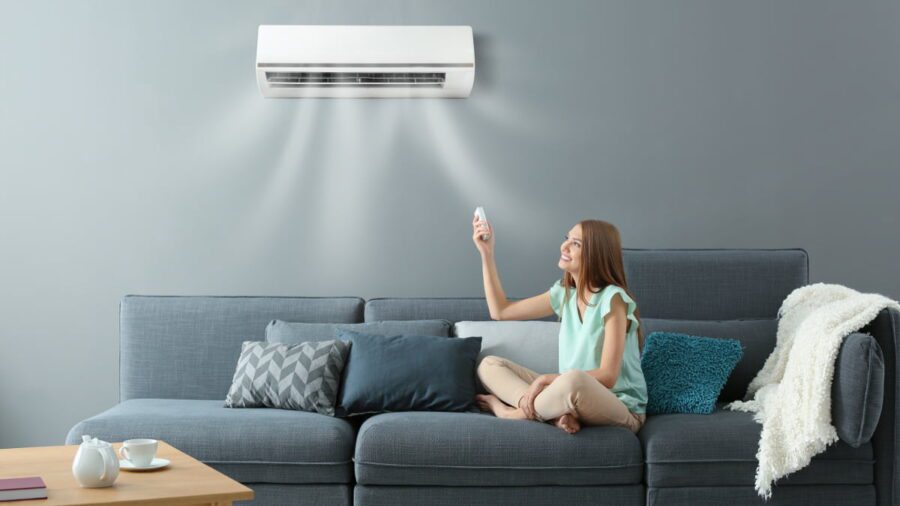
The landscape of British homes has undergone a remarkable transformation in recent years, with domestic air conditioning evolving from an unusual luxury to an increasingly common household necessity. This shift represents one of the most significant changes in residential comfort technology witnessed across the United Kingdom, fundamentally altering how families approach climate control within their living spaces.
The growing popularity of domestic air conditioning stems from multiple converging factors that have reshaped both consumer expectations and practical requirements. Climate change has brought increasingly unpredictable weather patterns to the British Isles, with summer temperatures regularly exceeding historical averages. These rising temperatures have made traditional cooling methods, such as opening windows and using fans, insufficient for maintaining comfortable indoor environments. Consequently, homeowners have turned to domestic air conditioning as a reliable solution for managing indoor temperatures throughout the warmer months.
Modern domestic air conditioning systems have become substantially more sophisticated than their predecessors, offering enhanced energy efficiency and quieter operation. Contemporary units incorporate advanced inverter technology that automatically adjusts cooling output based on ambient conditions, ensuring optimal performance whilst minimising energy consumption. This technological advancement has addressed previous concerns about the environmental impact and operating costs associated with domestic air conditioning, making these systems more appealing to environmentally conscious consumers.
The design evolution of domestic air conditioning units has also contributed significantly to their increased adoption. Manufacturers have developed sleeker, more aesthetically pleasing units that integrate seamlessly with contemporary interior designs. Wall-mounted systems now feature minimalist profiles that complement rather than detract from room aesthetics, whilst floor-standing models offer portability without compromising performance. This design revolution has eliminated the visual barriers that previously deterred many homeowners from installing domestic air conditioning systems.
Installation processes for domestic air conditioning have become considerably more streamlined and less invasive than in previous decades. Modern systems often require minimal structural modifications, with many units designed for straightforward wall mounting or window installation. Professional installation services have expanded throughout the country, making domestic air conditioning accessible to homeowners across diverse geographical locations and property types. This improved accessibility has democratised climate control technology, extending its reach beyond luxury developments to standard residential properties.
The health and wellness benefits associated with domestic air conditioning have gained increased recognition among British consumers. These systems provide superior air filtration capabilities, removing allergens, dust particles, and pollutants from indoor environments. For individuals suffering from respiratory conditions such as asthma or allergies, domestic air conditioning offers significant relief by maintaining clean, filtered air circulation throughout living spaces. Additionally, consistent temperature control helps regulate sleep patterns and overall comfort levels, contributing to improved physical and mental wellbeing.
Economic factors have played a crucial role in driving domestic air conditioning adoption rates. As manufacturing scales have increased globally, unit prices have decreased substantially, making these systems financially accessible to middle-income households. Simultaneously, improved energy efficiency ratings mean that operating costs remain manageable, even during extended periods of use. Many homeowners now view domestic air conditioning as a worthwhile investment that enhances property values whilst providing immediate comfort benefits.
The remote working revolution, accelerated by recent global events, has further intensified demand for domestic air conditioning. With increasing numbers of professionals working from home, maintaining comfortable indoor temperatures has become essential for productivity and professional appearance during video conferences. Home offices require consistent climate control to protect electronic equipment and ensure optimal working conditions throughout the day. This shift towards home-based employment has transformed domestic air conditioning from a luxury amenity to a professional necessity for many households.
Regional variations across the United Kingdom demonstrate interesting patterns in domestic air conditioning adoption. Urban areas, particularly in southern England, show higher installation rates due to increased ambient temperatures caused by urban heat island effects. Densely populated cities experience elevated temperatures compared to rural areas, making domestic air conditioning more essential for urban residents. However, adoption rates are steadily increasing in northern regions as well, reflecting changing climate patterns and rising consumer expectations for year-round comfort.
The versatility of modern domestic air conditioning systems extends beyond simple cooling functionality. Many contemporary units offer heating capabilities, providing year-round climate control solutions that can supplement or replace traditional heating systems. Heat pump technology integrated into domestic air conditioning units delivers efficient heating during cooler months, offering homeowners comprehensive climate management through a single system. This dual functionality enhances the value proposition of domestic air conditioning installations significantly.
Environmental considerations surrounding domestic air conditioning have evolved considerably as manufacturers prioritise sustainable refrigerants and energy-efficient operations. Modern systems utilise environmentally friendly refrigerants with lower global warming potential, addressing previous environmental concerns. Smart technology integration enables precise temperature control and scheduling, reducing unnecessary energy consumption whilst maintaining optimal comfort levels. These environmental improvements have helped position domestic air conditioning as a responsible choice for eco-conscious consumers.
The maintenance requirements for contemporary domestic air conditioning systems have been simplified through improved design and build quality. Regular filter cleaning and annual professional servicing typically suffice to maintain optimal performance, making these systems practical for busy households. Self-diagnostic features alert users to potential issues before they become significant problems, reducing unexpected breakdowns and extending system lifespan. This reliability factor has increased consumer confidence in domestic air conditioning technology.
Looking towards the future, domestic air conditioning technology continues advancing rapidly with innovations in smart home integration, voice control capabilities, and predictive climate management. Artificial intelligence algorithms can learn household patterns and automatically adjust temperatures for optimal comfort and efficiency. These technological developments promise to make domestic air conditioning even more user-friendly and energy-efficient in coming years.
The social acceptance of domestic air conditioning has shifted dramatically as these systems become commonplace in British homes. What was once considered an unnecessary indulgence is now recognised as a practical response to changing climatic conditions and lifestyle requirements. This cultural shift reflects broader changes in how British consumers approach home comfort and climate management.
Installation considerations for domestic air conditioning vary depending on property type and individual requirements. Consultation with qualified professionals helps homeowners select appropriate systems and optimal placement locations. Proper sizing ensures efficient operation whilst avoiding overcapacity that wastes energy and undermines performance.
The growing popularity of domestic air conditioning represents a fundamental shift in British residential comfort standards. As climate patterns continue evolving and consumer expectations rise, these systems are transitioning from luxury items to essential household equipment. This transformation reflects broader changes in how society approaches indoor climate management, prioritising health, comfort, and productivity in residential environments. The continued advancement of domestic air conditioning technology promises even greater efficiency, functionality, and environmental responsibility in future generations of these increasingly indispensable home comfort systems.