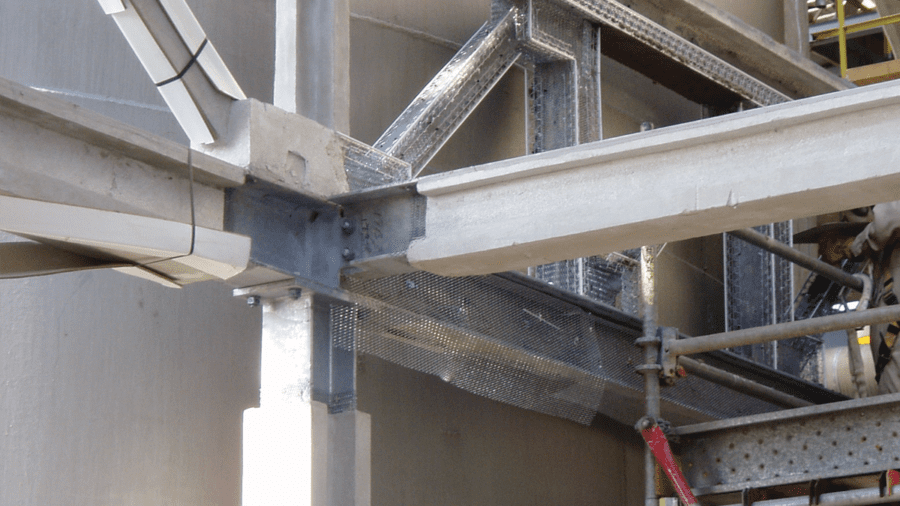
In the realm of modern construction and building safety, few considerations are as critical as protecting structural steel from fire damage. The devastating consequences of inadequately protected steel structures during fire incidents have been witnessed throughout history, making the expertise of structural steel fire protection specialists absolutely indispensable in today’s construction landscape. These highly trained professionals possess the specialised knowledge and technical competence required to safeguard lives, property, and structural integrity when buildings face the extreme conditions of fire emergencies.
Structural steel, whilst offering exceptional strength and durability under normal conditions, presents unique challenges when exposed to elevated temperatures. The material properties of steel change dramatically when subjected to heat, with significant reductions in load-bearing capacity occurring at temperatures well below those commonly reached in building fires. This fundamental characteristic makes the involvement of structural steel fire protection specialists not merely advisable, but absolutely essential for any project involving steel-framed construction.
The complexity of modern building design, coupled with increasingly stringent safety regulations and performance requirements, demands expertise that extends far beyond general construction knowledge. Structural steel fire protection specialists bring to each project an understanding of fire dynamics, material science, regulatory compliance, and application techniques that cannot be adequately substituted by general contractors or non-specialist personnel.
Understanding Fire’s Impact on Structural Steel
The behaviour of structural steel under fire conditions is governed by fundamental principles of materials science and thermodynamics. When exposed to heat, steel undergoes predictable changes in its mechanical properties, with yield strength and elastic modulus decreasing progressively as temperatures rise. At approximately 550 degrees Celsius, structural steel retains only about 60% of its room-temperature strength, whilst at 700 degrees Celsius, this figure drops to approximately 20%.
These temperature thresholds are routinely exceeded in building fires, where temperatures can reach 1000 degrees Celsius or higher. The rapid heating of unprotected steel elements can lead to thermal expansion, buckling, and ultimately, catastrophic structural failure within minutes of fire exposure. This reality underscores why structural steel fire protection specialists are so crucial in developing and implementing protection strategies that maintain structural integrity during fire events.
The role of structural steel fire protection specialists extends beyond merely applying protective coatings or systems. These professionals must evaluate the specific fire risks associated with each building’s intended use, occupancy patterns, and structural configuration. They consider factors such as fire load density, ventilation characteristics, evacuation requirements, and the presence of fire suppression systems to develop comprehensive protection strategies tailored to each unique situation.
Regulatory Compliance and Standards
The regulatory landscape governing fire protection in steel construction is complex and constantly evolving. Building codes, fire safety standards, and performance requirements vary between jurisdictions and are regularly updated to reflect new research findings and lessons learned from fire incidents. Structural steel fire protection specialists maintain current knowledge of these requirements and ensure that protection systems comply with all applicable standards.
In the United Kingdom, compliance with Building Regulations Part B, British Standards, and other relevant codes requires detailed understanding of fire resistance ratings, testing protocols, and performance criteria. Structural steel fire protection specialists possess the technical knowledge necessary to interpret these requirements and translate them into practical protection solutions that meet or exceed regulatory standards whilst remaining cost-effective and constructible.
The certification and approval processes for fire protection systems involve rigorous testing under standardised conditions. Structural steel fire protection specialists understand the nuances of these testing protocols and can select appropriate systems based on their tested performance characteristics. This expertise ensures that protection systems will perform as intended during actual fire conditions, rather than merely meeting paperwork requirements.
Material Selection and Application Techniques
The selection of appropriate fire protection materials requires comprehensive understanding of product characteristics, application requirements, and long-term performance expectations. Structural steel fire protection specialists evaluate factors such as durability, environmental resistance, thermal performance, and compatibility with other building systems when recommending protection solutions.
Intumescent coatings, cementitious sprays, board systems, and other protection methods each offer distinct advantages and limitations depending on the specific application. Structural steel fire protection specialists possess the knowledge necessary to select the most appropriate protection method for each element of the structure, considering factors such as architectural requirements, environmental conditions, maintenance considerations, and budget constraints.
Proper application of fire protection systems requires specialised techniques and quality control measures that are often overlooked by non-specialist applicators. Surface preparation, environmental conditions during application, thickness control, and curing requirements all significantly impact the performance of fire protection systems. Structural steel fire protection specialists ensure that these critical factors are properly managed throughout the installation process.
Quality Assurance and Testing
The performance of fire protection systems depends critically on proper installation and ongoing maintenance. Structural steel fire protection specialists implement comprehensive quality assurance programmes that include pre-installation planning, during-installation monitoring, and post-installation verification. These programmes ensure that protection systems are installed in accordance with manufacturer specifications and regulatory requirements.
Non-destructive testing methods, such as ultrasonic thickness measurement and adhesion testing, are employed by structural steel fire protection specialists to verify system performance without compromising the integrity of the protection. These techniques allow for real-time quality control and immediate correction of any deficiencies identified during installation.
Documentation and certification of fire protection systems require detailed records of materials used, application conditions, testing results, and final system configuration. Structural steel fire protection specialists maintain these records throughout the project lifecycle, providing building owners with comprehensive documentation necessary for regulatory compliance, insurance requirements, and future maintenance planning.
Long-term Performance Considerations
Fire protection systems must maintain their protective properties throughout the service life of the building, often spanning decades. Environmental factors such as humidity, temperature cycling, chemical exposure, and physical damage can all affect system performance over time. Structural steel fire protection specialists design protection systems with consideration for these long-term factors and develop maintenance programmes that preserve system integrity.
Regular inspection and maintenance of fire protection systems require ongoing involvement of structural steel fire protection specialists who can identify potential issues before they compromise system performance. These professionals understand the specific deterioration mechanisms that affect different types of protection systems and can recommend appropriate remedial measures when needed.
The economic implications of fire protection system failure extend far beyond the initial installation cost. Building downtime, structural repairs, business interruption, and potential liability exposure all contribute to the total cost of inadequate fire protection. Structural steel fire protection specialists help building owners avoid these costs through proper system design, installation, and maintenance.
Innovation and Emerging Technologies
The field of structural steel fire protection continues to evolve with new materials, application techniques, and performance monitoring technologies. Structural steel fire protection specialists stay abreast of these developments and evaluate their potential applications in current projects. This ongoing education ensures that clients benefit from the latest advances in protection technology whilst avoiding unproven systems that may not perform reliably.
Research into fire behaviour, structural response, and protection system performance provides new insights that influence design approaches and regulatory requirements. Structural steel fire protection specialists participate in professional development activities and industry research initiatives that advance the state of knowledge in fire protection engineering.
The integration of fire protection systems with other building technologies, such as building information modelling and automated monitoring systems, represents an emerging area where the expertise of structural steel fire protection specialists becomes increasingly valuable. These professionals understand how to leverage new technologies whilst ensuring that fundamental protection principles are maintained.
Conclusion
The critical importance of engaging structural steel fire protection specialists cannot be overstated in today’s construction environment. These professionals bring essential expertise in materials science, regulatory compliance, application techniques, and long-term performance that ensures effective protection of structural steel elements. The complexity of modern building design, coupled with evolving regulatory requirements and advancing technology, makes the involvement of structural steel fire protection specialists not just beneficial, but absolutely necessary for responsible building design and construction. Their specialised knowledge protects lives, preserves property, and ensures that buildings can withstand fire emergencies whilst maintaining structural integrity and providing safe evacuation routes for occupants.
Get in Touch:
FireCoatings.co.uk – a trading name of NuColour Ltd
3rd Floor, 86 – 90 Paul St, London EC2A 4NE
0330 133 3420
firecoatings.co.uk