In the UK, spray foam insulation has been promoted as a ground-breaking way to increase the energy efficiency of both residential and commercial buildings. The need for spray foam insulation removal services has increased, nevertheless, as more and more property owners are now dealing with serious issues relating to this substance. Anyone thinking about using this product on their property or coping with the effects of prior installations must have a thorough understanding of what it is and why it has become problematic.
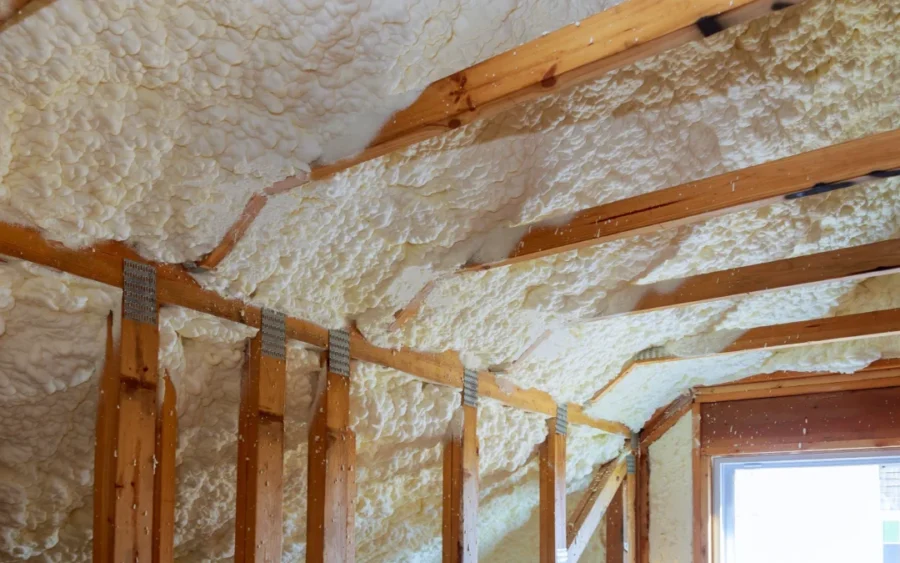
A continuous barrier against heat loss and air penetration is created using spray foam insulation, a chemical substance that expands and solidifies after application. Usually applied as a liquid, the substance quickly expands to many times its initial volume, filling in cavities, fractures, and gaps in walls, floors, and roof spaces. The two main varieties are closed-cell foam, which is denser and offers a higher insulating value per inch, and open-cell foam, which is lighter and more flexible. Both types have been widely used in the UK real estate market, especially in older homes when conventional insulation techniques were thought to be inadequate. Spray foam insulation removal is becoming a more and more typical necessity for homeowners looking to sell or refinance their properties, despite its initial attraction due to the problems it causes.
When energy efficiency became a top concern for homeowners trying to save heating expenses and enhance the environmental credentials of their homes, spray foam insulation’s appeal increased dramatically. The material was marketed by installers as a full solution that would strengthen roof structures, lessen condensation issues, and totally seal roof voids to stop heat loss. Compared to more conventional insulation techniques, the application process seemed simple, and contractors could finish installations rather rapidly. Many property owners were unaware at the time, though, that they would be causing long-term issues that would later call for costly spray foam insulation removal operations.
Difficulties with mortgage finance are one of the main factors causing the necessity for spray foam insulation removal. Particularly when spray foam insulation has been placed directly to the underside of roof tiles or slates, many mortgage companies and building societies have grown more wary of buildings with this type of insulation. When performing values, surveyors frequently express worries about the material, pointing out that it may hinder a thorough examination of roof timbers and result in issues relating to moisture. While some lenders place stringent requirements or lower the amount they are ready to grant, others have gone so far as to completely reject mortgages on properties containing spray foam. This has caused a significant issue for homeowners trying to sell their homes, since many have found that prospective purchasers are unable to secure financing unless they make arrangements for spray foam insulation removal prior to the property’s completion.
Another important reason for removal demands is the spray foam insulation’s moisture and ventilation issues. Conventional roof spaces in UK homes are made to be vented, allowing air to circulate and preventing moisture and condensation buildup in timber constructions. Direct application of spray foam to the roof structure results in a totally sealed environment that drastically alters the way the roof area works. Over time, rot, decay, and structural degradation may result from moisture becoming trapped in the wood due to inadequate ventilation. In order to restore adequate ventilation and shield their homes from long-term harm, many property owners have decided to engage in spray foam insulation removal.
Spray foam insulation removal is frequently required due to inspection issues, which are an additional difficulty. It is nearly impossible to examine the condition of roof timbers without removing the insulation once spray foam has been placed. Structural engineers and surveyors are unable to determine whether timbers are sound, whether there are indications of a beetle or woodworm infestation, or whether moisture damage has taken place. Mortgage lenders and insurance companies may be reluctant to insure houses when the structural condition cannot be accurately assessed due to this lack of visibility, which raises serious liability concerns. For homeowners who must prove that the structure of their property is stable and suitable for maintenance, spray foam insulation removal has become crucial.
The actual removal procedure is far more costly and involved than most property owners think. Because spray foam insulation sticks so strongly to any surface it comes into contact with, removal calls for certain skills and tools. DIY removal attempts are rarely successful and may result in further damage to roof tiles, timbers, and other structural components. Expert spray foam insulation removal usually entails gently scraping and cutting away the foam while minimising damage to the underlying structure. In addition to being labour-intensive and time-consuming, the work produces a significant amount of garbage that needs to be properly disposed of. Depending on the size of the roof area and the amount of foam applied, the cost of spray foam insulation removal might reach thousands of pounds.
Another major worry for buildings with spray foam insulation is insurance issues. Certain insurance companies have started to doubt coverage for homes that include this material, especially when it comes to claims involving roofs. The main worries are whether the foam could conceal damage that already exists or cause deterioration that would not be addressed by normal processes. Furthermore, insurance companies may contest whether the damage was pre-existing or the result of the insulation itself if spray foam insulation removal is required as a result of structural problems that are found. Instead of risking coverage issues, homeowners are now more motivated to undergo spray foam insulation removal as a result of these uncertainties.
Another significant worry is the effect of property devaluation. The very existence of spray foam insulation can drastically lower a property’s market value, even if spray foam insulation removal is not urgently necessary. When making bids, prospective purchasers take into account the expense of future removal because they are becoming more conscious of the issues related to spray foam. According to real estate brokers, homes with spray foam typically remain on the market for a lot longer than similar homes without it, and sellers usually have to drastically lower their asking prices in order to get a buyer. Many property owners have been persuaded by this market resistance that the most cost-effective course of action is to spray foam insulation removal before advertising their homes.
The regulatory landscape pertaining to spray foam insulation is still developing in the future. The issues that have surfaced are prompting a reexamination of industry standards and building laws, with a focus on material specifications and ventilation requirements. Clearer guidelines for when spray foam is suitable and what requirements must be fulfilled for a safe installation are being developed by trade associations and professional bodies. These upcoming upgrades, however, provide little consolation for the thousands of properties in the UK that now have troublesome spray foam installations. Spray foam insulation removal is still the most practical option for these homeowners to remove long-term structural risks and get their properties back to mortgageable condition.
In conclusion, while spray foam insulation was initially offered as a creative way to address energy efficiency issues, experience has shown serious issues that frequently need spray foam insulation removal. Removal is now frequently required rather than discretionary due to a mix of structural inspection issues, ventilation issues, mortgage lending challenges, and property devaluation. Property owners who are thinking about installing spray foam should thoroughly investigate these problems, and those who are already coping with troublesome installations should speak with knowledgeable experts regarding spray foam insulation removal. In today’s difficult housing market, knowing what spray foam insulation is and why it has become so contentious is crucial for making wise decisions on property upkeep and enhancement.