Choosing padel clothing involves far more personal consideration than simply grabbing something sporty. Unlike equipment where technical specifications dominate the conversation—racket weight, ball compression, bag compartments—clothing is where individual preference takes centre stage. The fabric against your skin, the way a garment moves with your body, the colours that make you feel confident and how a top or pair of shorts affects your psychological approach to a match are deeply personal matters. What works brilliantly for one player might feel entirely wrong for another, and that diversity of need is exactly why exploring options carefully matters.
The foundation of good padel clothing starts with understanding what comfort actually means to you during play. For some players, comfort means minimal restriction and lightweight fabrics that feel almost invisible. For others, it means structured support, compression elements and reassuring contact with the body. Neither preference is wrong; they simply reflect how different people prefer to move and feel. A player accustomed to loose, flowing sportswear might find engineered compression unfamiliar and distracting, whilst another might find looser garments uncomfortable and constantly distracting. This is why trying different styles and paying attention to how each one affects your movement and confidence during actual play becomes valuable information for future purchases.
The relationship between clothing and confidence shouldn’t be underestimated. Some players find that wearing bright colours or eye-catching designs lifts their mood and energy levels during a match. Others prefer neutral tones or darker shades because they feel more focused and grounded in those colours. There’s research across sports suggesting that visual appeal and psychological comfort influence performance, though not always in dramatic ways. More importantly, if you feel genuinely good in what you’re wearing—if it looks right to you and feels supportive—that sense of well-being translates into more relaxed, fluid movement on court. Conversely, wearing something that doesn’t suit your style or fit your body properly can create a subtle but persistent distraction.
Practical considerations layer onto these personal preferences. The climate where you play, the time of year and court conditions all influence what works best. A player in a warm location might prioritise breathability and moisture-wicking above all else, opting for minimal coverage and technical fabrics designed for maximum ventilation. Someone playing primarily during cooler months might prefer layering options, heavier fabrics that retain warmth and a cut that allows for arm movement over additional base layers. Some courts have dress codes or traditions regarding appearance, which adds another personal decision point. A competitive player might prioritise looking polished and professional, whilst a recreational player might care more about durability and easy care because they play multiple times weekly and prefer low-maintenance kit.
Individual body shape and movement patterns also demand personal consideration. Padel involves explosive lateral movements, rapid directional changes and extended reaching. The way clothing accommodates these movements varies enormously based on your personal proportions, flexibility and playing style. A taller player with longer limbs needs different garment proportions and sleeve lengths than a shorter player. Someone with a more powerful, aggressive playing style might prefer more structured garments that don’t flap or shift during intense movement, whilst a more controlled, finesse-based player might prefer freedom of movement and looser cuts. Testing how different styles behave when you actually play—rather than simply trying them on standing still—reveals whether the fit genuinely supports how your body moves.
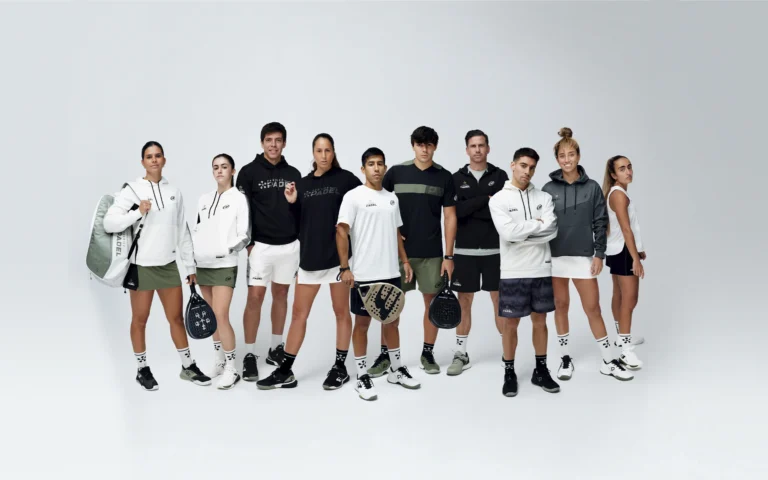
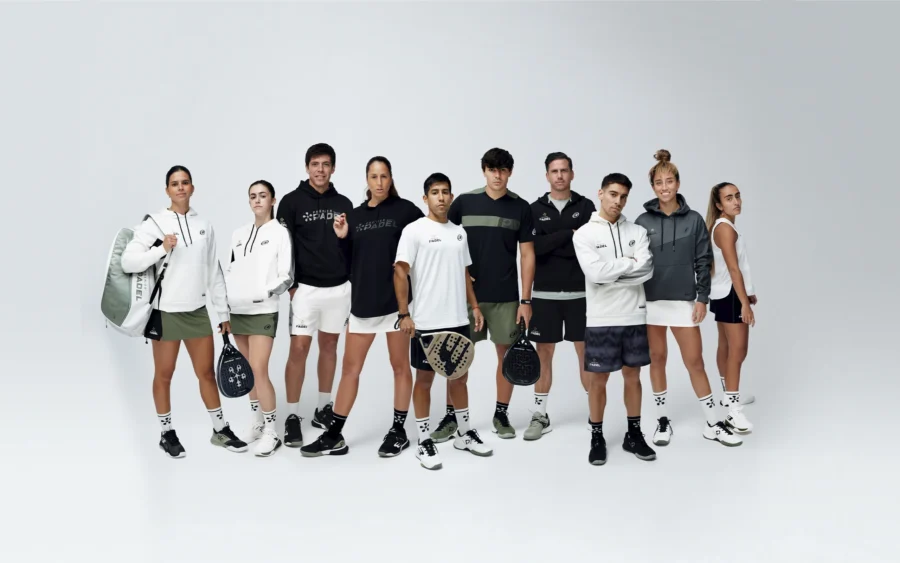
The market now offers genuine diversity in padel clothing styles, from traditional sportswear to fashion-forward designs, and from minimalist technical gear to colourful, expressive options. Men’s, women’s and junior ranges each acknowledge different body shapes and preferences. This range exists precisely because players are individuals with different needs, tastes and priorities. A player who trains three times weekly needs different clothing priorities than someone playing once a fortnight. A player competing in tournaments has different concerns than someone playing social matches. A player who values fashion and visual expression will prioritise different elements than one focused purely on function.
Finding Your Personal Fit Priority
Fit quality is arguably the most personal element of padel clothing selection. The same size doesn’t fit everyone the same way, and preference for fit varies considerably. Some players prefer a close, body-hugging fit that clearly shows their silhouette. Others prefer a slightly looser cut that allows unrestricted movement and doesn’t cling during sweating. Some like shorts that sit higher and more fitted through the hips; others prefer a longer, looser cut. These aren’t matters of right or wrong; they’re matters of personal comfort and confidence. Understanding your fit preference before shopping saves considerable time and frustration, and makes online purchasing simpler because you can identify garments that match your preferred silhouette rather than chasing random sizing.
The relationship between fit and movement is where personal testing becomes invaluable. A fitted garment that looks elegant standing still might restrict shoulder movement during an aggressive overhead shot. A looser shirt that feels comfortable casually might flap or shift during lateral movement. The only way to know how a garment will behave during play is to move in it during actual padel. This is why understanding your body and how you move personally is useful. If you know you play with exaggerated arm movements, you need more sleeve room. If you move primarily from the hips with compact arm motion, fitted sleeves might feel fine. Personal awareness of your playing style and movement patterns makes fit decisions more straightforward.
Fabric and Performance Feel
Different fabrics feel remarkably different during play, and personal preference here shapes your enjoyment considerably. Traditional cotton-blend sportswear feels familiar and soft but absorbs moisture and can feel heavy when wet. Technical synthetic fabrics wick moisture away from skin and dry quickly, but some players find them feel plasticky or uncomfortable initially. Natural fibres like merino wool offer excellent temperature regulation and odour control but are typically more expensive. Some players prioritise the sensory experience of fabric against their skin above all else. Others barely notice what they’re wearing as long as it doesn’t restrict movement. Neither approach is wrong; they simply reflect different priorities.
The practical reality is that you’ll enjoy padel more wearing garments that feel good to you personally. If you love the feel of cotton and hate synthetic fabrics, wearing technical moisture-wicking gear every match will create persistent low-level discomfort. If you value quick-drying performance and find cotton clammy, soft natural fibres will frustrate you. Testing different fabric types in actual play—not just trying them on briefly—reveals your true preference. Some players discover they prefer one fabric for casual training and another for competitive matches. Others find one type works for them across all situations. Both approaches are valid and personal.
Expressing Personal Style on Court
Colour and design preferences in padel clothing often reflect deeper personal choices about self-expression and confidence. Some players adopt a minimalist uniform approach, wearing the same colour scheme or style repeatedly because it feels consistent and uncomplicated. Others enjoy rotating through different styles, colours and designs because variety keeps training interesting and they enjoy expressing different moods through their kit. Some players prefer classic, understated designs that remain visually appropriate over years of wearing. Others prefer current trends and fashion-forward styles because they enjoy feeling contemporary and stylish whilst playing.
Personal style choices extend beyond vanity. They genuinely affect how you carry yourself on court. Wearing colours and designs that feel aligned with your personality and aesthetic sense tends to improve posture, confidence and overall presence. Someone who dislikes bright colours but feels pressured to wear neon because they think it’s more visible might play more tentatively than someone wearing a colour they genuinely like. The psychological connection between wearing something that feels authentically you and playing with confidence shouldn’t be dismissed as superficial. It’s a real factor in how you experience and perform during play.
Building Practical Preferences Through Experience
Your personal padel clothing preferences develop through actual playing experience rather than pure speculation. Trying different approaches and paying attention to what works for your body, playing style and climate creates real, useful knowledge. Over time, you’ll likely develop patterns: perhaps you discover you prefer crew neck tops over V-necks, or longer shorts over shorter styles, or moisture-wicking fabrics over traditional sportswear. Perhaps you realise you play better in neutral colours or that you need compression support, or that looser garments let you move more freely. These personal discoveries accumulate into preferences that actually improve your playing experience.
This is also why having options matters. A retailer stocking multiple brands, styles and designs gives you real choices rather than forcing you into a single silhouette or aesthetic. Different manufacturers cut garments differently and prioritise different features. One brand’s small might fit you perfectly whilst another’s small feels too tight. One manufacturer’s shorts might have the depth of pocket you prefer whilst another brand’s shorts don’t. One brand’s aesthetic might align with your style preference whilst another leaves you cold. The wider the range available, the better your chances of finding items that genuinely suit how you want to feel and move on court.
Creating Your Ideal Court Wardrobe
Building a functional padel clothing collection involves understanding your own priorities and limitations, rather than following generic advice. Consider your climate: year-round warmth might mean you need only lightweight options, whilst seasonal variation means you need layering possibilities. Consider your play frequency: someone training several times weekly needs more garments than someone playing occasionally, or needs particularly durable options that handle frequent washing. Consider your aesthetic preference: whether you enjoy coordinating your kit, rotating through varied looks or maintaining a consistent visual approach. Consider your budget: whether you prefer investing in fewer higher-quality pieces or building a larger collection of more affordable options.
Personal comfort and confidence ultimately drive whether you’ll actually enjoy padel and look forward to playing. Clothing that feels good, moves well with your body and aligns with how you want to present yourself transforms your experience. That might mean investing slightly more in a few garments that feel perfect rather than settling for cheaper alternatives that feel wrong. It might mean accepting that you need different options for different seasons or conditions. It might mean prioritising visual expression and colour over pure technical performance. It might mean choosing reliable basics that don’t demand attention or require careful care. None of these approaches is objectively superior; they’re all valid depending on who you are and what you value when you step onto a padel court.