Car radio codes have become an integral part of modern vehicle security systems, serving as a crucial line of defence against theft whilst simultaneously creating occasional frustration for legitimate vehicle owners. These numerical sequences, typically consisting of four or five digits, represent a sophisticated anti-theft mechanism that has evolved significantly since their introduction in the automotive industry.
The fundamental purpose of car radio codes lies in rendering stolen radio equipment virtually useless to thieves. When a car radio is disconnected from its power source—whether through battery replacement, electrical work, or theft—the device automatically locks itself and demands the correct code before resuming normal operation. This security feature has proven remarkably effective in reducing car radio theft, as stolen units become worthless without the corresponding unlock sequence.
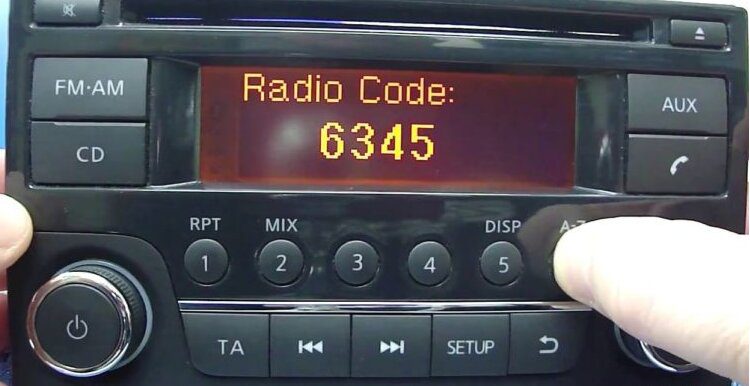
Car radio codes operate through sophisticated internal memory systems that store encrypted security information. Modern radio units contain non-volatile memory chips that retain security data even when power is completely removed. When the radio detects a power interruption, it immediately enters a locked state and displays a code request prompt. The system then requires the precise input of the correct car radio codes before any functionality can be restored.
The technology behind car radio codes has evolved considerably over the decades. Early systems employed relatively simple numerical combinations, but contemporary units utilise complex algorithms that generate unique codes based on the radio’s serial number and internal hardware configuration. This advancement has made unauthorised access increasingly difficult, whilst legitimate recovery remains possible through proper channels.
Vehicle manufacturers typically provide car radio codes through several methods. The most common approach involves including the code with the vehicle’s documentation package at the point of sale. Many manufacturers print these codes on small cards that accompany the owner’s manual, whilst others integrate the information directly into service booklets. Some manufacturers have adopted more sophisticated approaches, such as printing car radio codes on labels affixed to the glove compartment or other interior locations.
The process of obtaining car radio codes varies significantly depending on the manufacturer and radio model. Traditional methods require vehicle owners to contact authorised dealerships with specific information about their radio unit. This typically includes the radio’s serial number, which can usually be found by removing the unit from the dashboard or accessing service menus. Vehicle identification numbers and proof of ownership are also commonly required to prevent fraudulent code requests.
Modern technological advances have streamlined the process of acquiring car radio codes for many vehicle owners. Some manufacturers now offer online portals where customers can input their radio’s serial number and receive the corresponding code immediately. These systems often require registration with vehicle details and ownership verification, but provide significantly faster service than traditional dealership visits.
The importance of properly storing car radio codes cannot be overstated. Many vehicle owners discover the significance of these codes only when faced with a locked radio system. Keeping the code information in multiple secure locations—such as within the vehicle’s documentation, stored electronically, or written in a secure personal record—can prevent considerable inconvenience and expense.
Professional automotive technicians frequently encounter situations involving lost or unknown car radio codes. These scenarios typically arise when vehicles change ownership without proper documentation transfer, or when original paperwork becomes lost or damaged. Experienced technicians maintain relationships with various manufacturers and can often facilitate code recovery through official channels, though this process may require additional time and verification steps.
The complexity of modern car radio codes has increased substantially as manufacturers implement more sophisticated security measures. Contemporary systems may incorporate multiple layers of protection, including time delays between incorrect attempts, permanent lockout features after excessive failed inputs, and integration with broader vehicle security networks. These enhancements provide superior theft protection but require more careful handling during legitimate recovery situations.
Different manufacturers employ varying approaches to car radio codes, resulting in diverse user experiences across vehicle brands. Some systems display clear prompts and instructions when requesting code input, whilst others present minimal information that may confuse unfamiliar users. Understanding the specific requirements and input methods for particular radio models can significantly expedite the unlock process.
The economic impact of car radio codes extends beyond simple theft prevention. The security provided by these systems has influenced insurance premiums, vehicle valuations, and replacement part markets. Stolen radios with active code protection hold minimal resale value, effectively eliminating the financial incentive for theft. This market dynamic has contributed to overall reductions in vehicle crime statistics and associated insurance claims.
Installation procedures for replacement radio units often involve car radio codes, particularly when upgrading or repairing existing systems. Professional installers must carefully preserve code information during service work and ensure that replacement units are properly configured with appropriate security settings. Failure to maintain proper code documentation during installation can create significant complications for vehicle owners.
Educational awareness regarding car radio codes remains inconsistent among vehicle owners. Many drivers remain unaware of their radio’s security features until confronted with a locked system. Automotive education programmes and owner orientation sessions could significantly reduce the frequency of code-related service requests by ensuring that new vehicle owners understand the importance of maintaining their security information.
Technological integration continues to evolve the landscape of car radio codes and automotive security. Modern systems increasingly incorporate wireless connectivity, cloud-based storage, and mobile device integration that may alter traditional code recovery methods. Some manufacturers are exploring biometric authentication, smartphone-based unlocking systems, and other advanced security measures that could eventually supplement or replace traditional numerical codes.
The future development of car radio codes will likely reflect broader trends in automotive technology and cybersecurity. As vehicles become more connected and integrated with digital ecosystems, radio security systems may evolve to incorporate network-based authentication, remote management capabilities, and enhanced user convenience features whilst maintaining robust theft protection.
Maintenance considerations for car radio codes include regular verification that code information remains accessible and accurate. Vehicle owners should periodically confirm that their documented codes correspond to their current radio equipment, particularly following any service work or component replacements. This proactive approach can prevent emergency situations where immediate code access becomes necessary.
Emergency situations involving car radio codes can create significant inconvenience, particularly when vehicles are required for essential transportation. Understanding alternative communication options, temporary solutions, and expedited recovery procedures can help minimise disruption during code-related difficulties. Many emergency automotive services maintain resources for addressing urgent radio code situations.
Car radio codes represent a successful balance between security effectiveness and user accessibility in automotive technology. These systems demonstrate how thoughtful engineering can address criminal activity whilst providing legitimate users with reasonable recovery options. As vehicle technology continues advancing, the principles established by car radio codes will likely influence future security implementations across various automotive systems, ensuring that protection measures evolve alongside emerging threats whilst maintaining practical usability for authorised owners.
Get in Touch:
Decode My Radio
Suite 2, Fortuna House, 88 Queen St, Sheffield City Centre, Sheffield S1 2FW
0114 489 7898
decodemyradio.co.uk