The automotive industry has witnessed remarkable technological advancements over the past few decades, and one innovation that has significantly impacted engine design is the introduction of wet belt systems. For Ford vehicle owners, understanding the purpose and function of the Ford wet belt is essential for proper vehicle maintenance and longevance. This crucial component represents a departure from traditional engine timing systems and plays a vital role in ensuring your vehicle operates smoothly and efficiently.
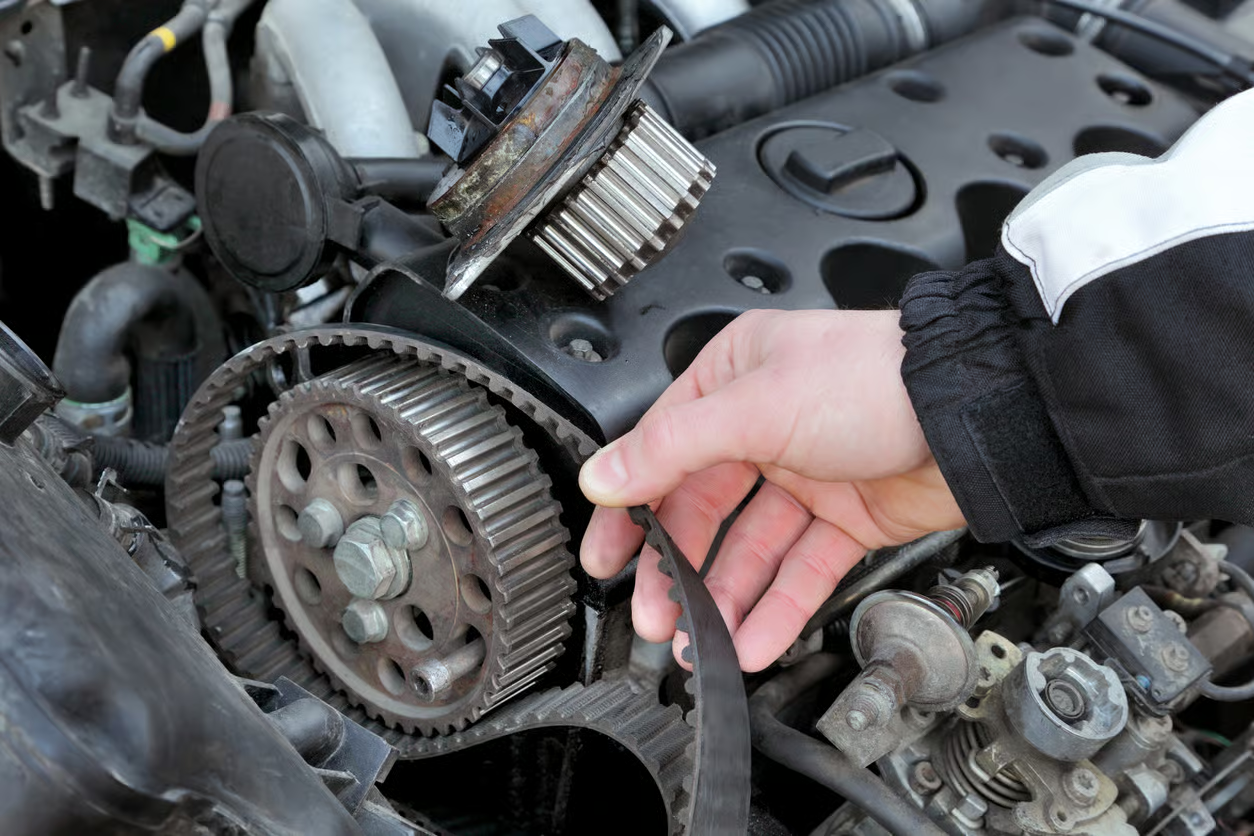
The Ford wet belt serves as the primary timing belt within certain engine configurations, running submerged in engine oil rather than operating in a dry environment like conventional timing belts. This fundamental design difference defines the entire purpose of the system. The Ford wet belt connects the crankshaft to the camshaft, ensuring that engine valves open and close at precisely the right moments during the combustion cycle. Without this synchronisation, your engine simply cannot function correctly, making the wet belt one of the most critical components under your bonnet.
The decision to implement a Ford wet belt system stemmed from several engineering objectives, with space efficiency being paramount. Modern vehicles face increasing demands for compact engine bays whilst accommodating larger passenger cabins and enhanced safety features. The Ford wet belt solution allows engineers to create smaller, more efficient engine designs by eliminating the need for a separate timing belt cover and associated components. This space-saving approach has enabled manufacturers to fit more sophisticated engines into tighter spaces without compromising performance or passenger comfort.
Another primary purpose of the Ford wet belt relates to operational quietness and refinement. Traditional timing chains, whilst durable, can generate considerable noise during operation, particularly as they age and develop slack. The Ford wet belt runs continuously bathed in engine oil, which serves as both a lubricant and a noise dampener. This oil immersion significantly reduces operational noise, contributing to the refined, quiet cabin experience that modern drivers expect. The reduction in noise, vibration and harshness represents a genuine advancement in driving comfort, particularly during cold starts when conventional timing systems can be notably audible.
Efficiency improvements constitute another crucial purpose behind Ford wet belt technology. The reduced friction achieved by running the belt in oil translates directly into improved fuel economy and reduced emissions. As automotive manufacturers face increasingly stringent environmental regulations, every fractional improvement in efficiency matters. The Ford wet belt contributes to these targets by minimising parasitic losses within the engine timing system. The smoother operation and reduced friction mean that less energy is wasted simply keeping the timing system functioning, allowing more of the fuel’s energy to be converted into forward motion.
The lubrication aspect of the Ford wet belt system serves multiple purposes beyond simple friction reduction. Constant oil immersion helps dissipate heat generated during operation, preventing the belt from experiencing the thermal stress that can affect dry running belts. This cooling effect theoretically extends component life under normal operating conditions. The Ford wet belt benefits from the engine’s existing oil circulation system, ensuring a constant supply of fresh, filtered oil passes over the belt surface. This continuous lubrication was intended to reduce wear and maintain consistent performance throughout the belt’s service life.
However, the purpose of the Ford wet belt extends beyond mechanical function into the realm of manufacturing efficiency. From a production standpoint, wet belt systems can be simpler to install during assembly compared to traditional timing chain systems. The Ford wet belt requires fewer individual components and less complex tooling during installation, potentially reducing manufacturing time and costs. These production efficiencies allow manufacturers to allocate resources elsewhere in vehicle development whilst maintaining competitive pricing in an increasingly challenging marketplace.
The Ford wet belt also serves an important role in engine downsizing strategies. As manufacturers seek to extract more power from smaller displacement engines, often through turbocharging, the timing system must cope with increased loads and stresses. The Ford wet belt system allows for flexible engine configurations that can adapt to various performance requirements. The inherent flexibility of belt-driven systems, combined with the protective qualities of oil immersion, makes the wet belt suitable for both naturally aspirated and forced induction applications across different engine sizes.
From a design philosophy perspective, the Ford wet belt represents an attempt to create a maintenance-free timing system for the average ownership period. Traditional timing belts require replacement at specified intervals, typically between sixty thousand and one hundred thousand miles, representing a significant maintenance expense for vehicle owners. The Ford wet belt was conceived with the intention of lasting the vehicle’s typical first ownership period without requiring replacement, thereby reducing scheduled maintenance costs and inconvenience. This approach aligns with modern consumer expectations for reduced maintenance requirements and lower cost of ownership during the critical early years of vehicle life.
The purpose of the Ford wet belt must also be understood within the context of warranty considerations and customer satisfaction. By designing a timing system intended to last without intervention during the warranty period, manufacturers can reduce warranty claims related to timing system failures. The Ford wet belt approach theoretically eliminates one source of potential customer dissatisfaction by removing the need for expensive timing belt replacement services during the period when most customers own their vehicles. This strategy supports brand reputation and customer loyalty by reducing unexpected maintenance requirements.
Environmental considerations represent another dimension of Ford wet belt purpose. The reduction in maintenance requirements means fewer replaced components ending up in waste streams. Additionally, the improved efficiency contributes to reduced fuel consumption and lower carbon dioxide emissions over the vehicle’s lifetime. The Ford wet belt aligns with broader sustainability objectives within the automotive industry, supporting corporate environmental commitments whilst delivering tangible benefits to consumers through improved fuel economy. Every incremental improvement in efficiency contributes to meeting increasingly challenging emissions targets across global markets.
The integration of the Ford wet belt into the engine’s oil system serves the dual purpose of simplification and consolidation. Rather than requiring separate lubrication arrangements, the wet belt utilises the existing engine oil supply, reducing the number of distinct systems that must be designed, manufactured and maintained. This consolidation represents elegant engineering, maximising functionality whilst minimising complexity. The Ford wet belt becomes an integrated component of the engine ecosystem rather than an isolated subsystem, reflecting modern holistic approaches to powertrain design.
Understanding the purpose of the Ford wet belt helps vehicle owners appreciate the sophisticated engineering within their vehicles whilst recognising the importance of proper maintenance. Although designed for longevity, the Ford wet belt remains dependent on regular oil changes using the correct specification lubricant. The oil serves as the belt’s lifeline, and degraded or incorrect oil can compromise the system’s integrity. Owners must adhere to manufacturer-specified service intervals and oil specifications to ensure the Ford wet belt continues fulfilling its purpose throughout the vehicle’s operational life.
In conclusion, the Ford wet belt serves multiple interconnected purposes within modern engine design, from space efficiency and noise reduction to improved fuel economy and reduced maintenance requirements. This innovative approach to engine timing represents a significant departure from traditional systems, offering distinct advantages in packaging, refinement and efficiency. Whilst the technology has sparked considerable discussion regarding long-term durability and maintenance practices, understanding the fundamental purposes behind the Ford wet belt design helps owners make informed decisions about vehicle care and maintenance. The wet belt system exemplifies how automotive engineering continually evolves to meet changing consumer expectations, regulatory requirements and manufacturing realities in an increasingly competitive global marketplace.
Get in Touch:
Wetbelt Factory
Unit 2, Cowsden Bank Farm, Worcester WR7 4NU
01905 675260
wetbeltfactory.co.uk