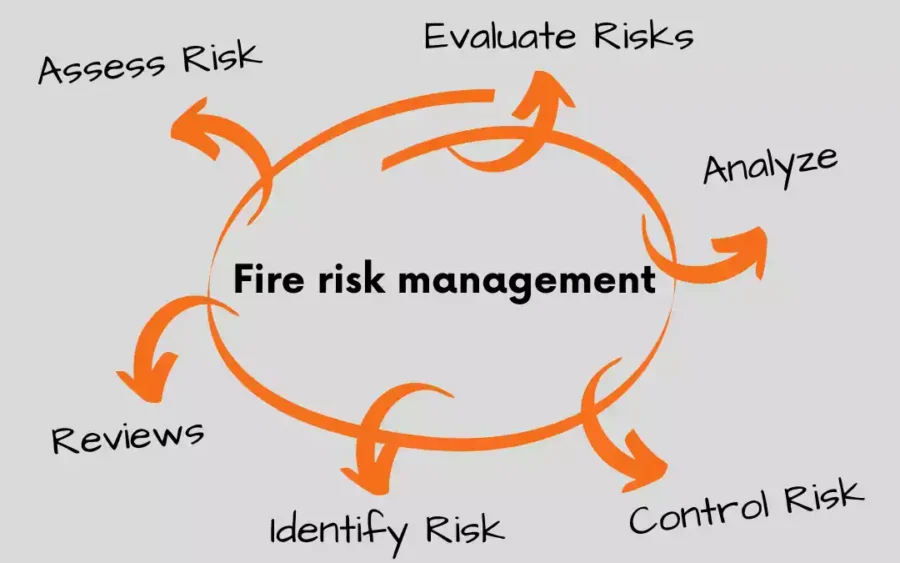
Fire safety risk assessment is a critical process that plays a vital role in protecting lives, property, and businesses from the devastating effects of fire. This comprehensive evaluation of fire hazards and safety measures is not just a legal requirement in many jurisdictions, but also an essential practice for ensuring the well-being of occupants in any building or facility. A thorough fire safety risk assessment helps identify potential fire risks, evaluate existing fire safety measures, and implement necessary improvements to create a safer environment.
The primary purpose of a fire safety risk assessment is to systematically examine all aspects of fire safety within a given premises. This includes identifying potential ignition sources, assessing the likelihood of fire spread, evaluating evacuation procedures, and determining the adequacy of existing fire safety equipment and systems. By conducting a detailed fire safety risk assessment, property owners, managers, and employers can gain a clear understanding of the fire risks present in their buildings and take appropriate actions to mitigate these risks.
One of the key components of a fire safety risk assessment is the identification of potential fire hazards. This involves a thorough inspection of the premises to locate any sources of ignition, such as electrical equipment, heating systems, or flammable materials. The assessment also considers the presence of combustible materials and their proximity to potential ignition sources. By identifying these hazards, the fire safety risk assessment provides a foundation for implementing targeted prevention measures.
Another crucial aspect of a fire safety risk assessment is the evaluation of existing fire safety measures. This includes examining the effectiveness of fire detection and alarm systems, assessing the condition and placement of fire extinguishers, and reviewing the maintenance records of fire safety equipment. The assessment also considers the adequacy of emergency lighting, signage, and evacuation routes. By thoroughly evaluating these measures, a fire safety risk assessment helps ensure that the current fire safety provisions are sufficient and functioning correctly.
The importance of a fire safety risk assessment extends beyond merely identifying hazards and evaluating existing measures. It also involves assessing the potential consequences of a fire and the likelihood of its occurrence. This risk-based approach allows for the prioritization of fire safety improvements and the allocation of resources where they are most needed. By considering factors such as the building’s occupancy, layout, and the nature of activities carried out within it, a fire safety risk assessment provides a comprehensive understanding of the overall fire risk profile.
One of the most critical outcomes of a fire safety risk assessment is the development of an action plan to address any identified shortcomings or areas for improvement. This plan typically includes recommendations for enhancing fire prevention measures, upgrading fire safety equipment, and improving emergency procedures. The action plan resulting from a fire safety risk assessment serves as a roadmap for implementing necessary changes and ensuring ongoing compliance with fire safety regulations.
Regular fire safety risk assessments are essential for maintaining a high level of fire safety over time. As buildings undergo changes in use, occupancy, or structure, new fire risks may emerge. Additionally, advancements in fire safety technology and changes in regulations may necessitate updates to existing fire safety measures. By conducting periodic fire safety risk assessments, property owners and managers can stay ahead of these changes and ensure that their fire safety provisions remain effective and up-to-date.
The importance of a fire safety risk assessment in protecting lives cannot be overstated. In the event of a fire, having well-planned and rehearsed evacuation procedures can mean the difference between life and death. A comprehensive fire safety risk assessment evaluates the effectiveness of these procedures, taking into account factors such as the building’s layout, the presence of individuals with mobility issues, and the potential for smoke spread. By identifying any weaknesses in evacuation plans, the assessment enables the implementation of improvements that can significantly enhance the safety of occupants during an emergency.
For businesses, a thorough fire safety risk assessment is not only crucial for protecting employees and customers but also for safeguarding the company’s assets and ensuring business continuity. Fire can cause extensive damage to property, equipment, and inventory, potentially leading to significant financial losses and prolonged business interruption. By identifying and addressing fire risks through a comprehensive fire safety risk assessment, businesses can minimize the likelihood of a fire occurring and mitigate its potential impact if one does occur.
The legal implications of fire safety risk assessments are significant. In many countries, conducting regular fire safety risk assessments is a legal requirement for businesses and property owners. Failure to carry out these assessments or to act on their findings can result in severe penalties, including fines and even imprisonment in cases of gross negligence. Moreover, in the event of a fire that causes injury or death, the absence of a proper fire safety risk assessment could lead to serious legal consequences for those responsible for the building’s safety.
A fire safety risk assessment also plays a crucial role in raising awareness about fire safety among building occupants. The process often involves consultation with employees or residents, which helps to educate them about potential fire risks and the importance of following fire safety procedures. This increased awareness can lead to improved fire safety behavior, such as proper storage of flammable materials, correct use of electrical equipment, and adherence to smoking restrictions. By fostering a culture of fire safety awareness, a fire safety risk assessment contributes to ongoing risk reduction and safety improvement.
The comprehensive nature of a fire safety risk assessment extends to considering the specific needs of vulnerable individuals. This includes assessing the provisions for people with disabilities, the elderly, or young children who may require assistance during an evacuation. By identifying these needs, the assessment ensures that appropriate measures are in place to protect all occupants, regardless of their physical abilities or limitations.
In addition to its primary safety benefits, a thorough fire safety risk assessment can also have positive financial implications. Insurance companies often take into account the level of fire safety measures in place when determining premiums for property and business insurance. A well-documented fire safety risk assessment demonstrating a proactive approach to fire safety can potentially lead to reduced insurance costs. Furthermore, by preventing fires and minimizing potential damage, the assessment can help avoid the significant financial losses associated with fire incidents.
The role of a fire safety risk assessment in building design and renovation should not be overlooked. When planning new constructions or major renovations, incorporating fire safety considerations from the outset can lead to more effective and cost-efficient safety measures. A fire safety risk assessment conducted during the planning phase can inform decisions about building materials, layout, and the integration of fire safety systems, resulting in a safer and more resilient structure.
As technology continues to advance, the methods and tools used in fire safety risk assessments are also evolving. Modern fire safety risk assessments may incorporate digital mapping, 3D modeling, and advanced simulation software to provide more accurate and detailed risk analyses. These technological advancements allow for more comprehensive assessments and can help in visualizing potential fire scenarios and evacuation routes, further enhancing the effectiveness of fire safety planning.
In conclusion, the importance of a fire safety risk assessment cannot be overstated. It is a fundamental process that underpins effective fire safety management, protecting lives, property, and businesses from the devastating effects of fire. By systematically identifying hazards, evaluating existing measures, and implementing improvements, a fire safety risk assessment provides a comprehensive approach to fire safety. Regular assessments ensure ongoing compliance with regulations, adapt to changing circumstances, and foster a culture of safety awareness. Whether for legal compliance, moral obligation, or financial prudence, conducting thorough and regular fire safety risk assessments is an essential practice for any responsible property owner, manager, or employer. In a world where fire risks are ever-present, the fire safety risk assessment stands as a crucial tool in our ongoing efforts to create safer environments for all.