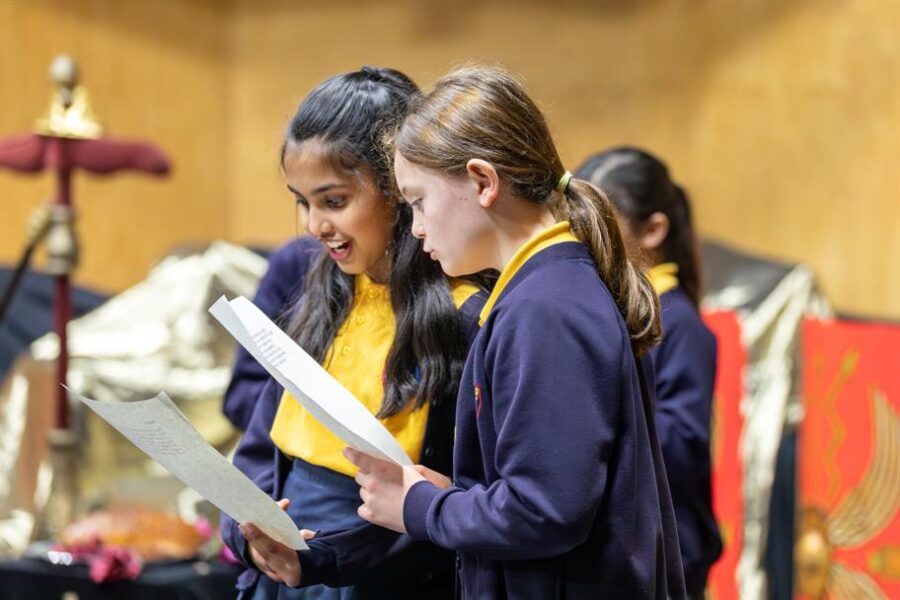
The enduring tales and rich language of William Shakespeare have captivated audiences for generations, and it may be a truly enjoyable experience to introduce young learners to his works. Kids in elementary school get a once-in-a-lifetime chance to learn about Shakespeare’s plays in a fun and approachable way during a KS2 Shakespeare workshop. In addition to improving students’ reading and creative abilities, these courses also help them develop an appreciation for literature and the arts that will last a lifetime.
Making Shakespeare’s works more accessible and entertaining for young students is one of the main benefits of a Shakespeare workshop for KS2. The strange language and complicated concepts of Shakespeare can be daunting to both adults and children. Nevertheless, with careful planning, a workshop can overcome these obstacles and deliver the plays in an engaging and entertaining way that 7–11-year-olds can enjoy.
Students can find a comfortable and engaging approach to investigate Shakespeare’s stories, characters, and language through performances, games, and interactive activities. By getting their hands dirty, students may better understand Shakespeare’s plays, form meaningful connections with the characters and plot, and uncover the timeless themes that have stood the test of time.
The linguistic and literacy gains from a KS2 Shakespeare session are substantial. Poetic devices, intricate phrase constructions, and a large vocabulary are some of Shakespeare’s most recognisable literary traits. Children can enhance their vocabulary, comprehension, and overall grasp of the English language by actively participating in an engaging and supportive atmosphere while reading these works.
Shakespeare readings, scene performances, and discussions of the text’s significance are commonplace in workshop events. These activities promote critical thinking about the text and its implications while also helping youngsters feel more at ease with new language. Students acquire critical thinking abilities that will benefit them in school and beyond as they wrestle with Shakespeare’s language and concepts.
The self-assurance and expressiveness of KS2 students can be greatly enhanced by participating in a Shakespeare workshop. Theatrical and performance components are common in many workshops, giving pupils the opportunity to act out Shakespeare’s plays. Children who are timid or afraid to speak up in class might benefit greatly from this experience since it gives them a secure space to be creative and discover their voice.
Children can practise public speaking, gain confidence while speaking in front of an audience, and learn to project their voices by acting out different parts and trying out different delivery techniques. Not only may these skills be applied to the study of Shakespeare, but they can also help youngsters develop self-assurance and improve their communication skills in general.
A Shakespeare workshop for KS2 also has the added benefit of helping students develop emotional intelligence and empathy. The multi-layered characters and in-depth examinations of human relationships and emotions that characterise Shakespeare’s plays are world-renowned. Young readers can learn to put themselves in another person’s shoes and gain empathy by interacting with these stories and characters.
Character motivation, action repercussions, and alternative outcomes are common topics of discussion in workshop exercises. Children learn vital social and emotional skills that will benefit them throughout their lives through this process, which promotes critical thinking about human behaviour and relationships.
In addition, KS2 students can benefit from a Shakespeare workshop by developing an appreciation for literature and the arts that will last a lifetime. These classes can ignite a passion for great literature and the stage in kids by presenting Shakespeare’s works in a fun and approachable way. Children who are exposed to Shakespeare’s plays at a young age may develop a lifelong love of reading, which could encourage them to pursue similar interests when they become older.
A Shakespeare workshop for KS2 students is an excellent alternative to reading the plays aloud because of the dynamic and participatory aspect of the activity. These programs give young students an immersive experience that engages all of their senses through the use of visual arts, dance, and drama. Children can gain a deeper understanding of Shakespeare’s plays, their characters, and ideas through this immersive approach. They can also make good connections, which could lead them to seek out similar opportunities in the future.
Students’ historical and cultural awareness can be bolstered by a Shakespeare workshop for KS2, in addition to their literary and artistic development. By shedding light on the political climate, cultural mores, and social mores of Elizabethan and Jacobean England, Shakespeare’s plays enrich our understanding of that era. Children can learn a lot about literature’s power to both reflect and influence society by delving into these historical backgrounds. They can also see how ideas and themes can endure for generations.
Even today, people all around the globe enjoy performing and adapting Shakespeare’s plays, which contributes to their rich cultural legacy. Children can gain an appreciation for the enduring relevance of Shakespeare’s ideas and the impact his plays have on modern art and culture by reading and discussing his plays from an early age.
Additionally, KS2 students can benefit greatly from the chances for cross-curricular learning that a Shakespeare workshop offers. Any number of academic disciplines can benefit from analysing Shakespeare’s works, including art, science, geography, and history. Studying “Macbeth” could connect to classes on Scottish history or the nature of political power, for instance, while studying “A Midsummer Night’s Dream” could spark conversations on plant life and habitats. Children can benefit from an increased awareness of the interconnectedness of all things and a more well-rounded perspective on the world when taught using an interdisciplinary approach.
In addition, participants in Shakespeare workshops often work together on various projects, which is great for honing their social and collaboration abilities. Working together, listening to others, and compromising when needed are skills that children can develop through creative activities, group projects, and debates. Children can learn to get along with their classmates and cultivate a feeling of school community through these activities.
The advantages of a Shakespeare workshop for KS2 go much beyond the time spent in the workshop. The knowledge, excitement, and abilities that youngsters acquire during these sessions can greatly influence their future academic success and personal growth. Teachers can enhance their students’ learning and keep their interest in the content by adding elements of Shakespeare’s works into their regular sessions. This builds upon the workshop experience.
To sum up, there are several benefits for students in KS2 who participate in a Shakespeare workshop. Participating in these programs is a one-of-a-kind and worthwhile way to increase one’s literacy, creativity, empathy, and cultural knowledge. The goal of these workshops is to help children develop an appreciation for literature and the arts, which in turn can aid in their scholastic and personal success in life, by making Shakespeare’s works more approachable and entertaining for young readers. Shakespeare workshops for KS2 are still a great way to help shape the minds of the future generation of artists, philosophers, and readers since parents and teachers are seeing the value of exposing kids to classic literature early on.