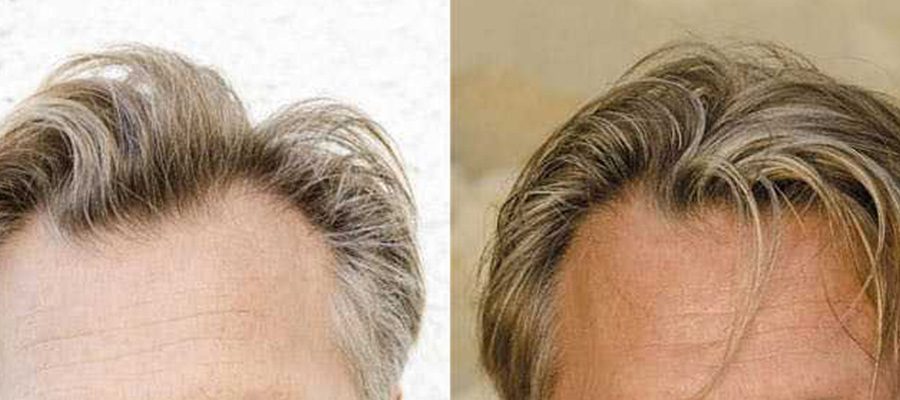
Over the course of the past ten years, the narrative around hair restoration surgery has been dominated by the allure of “health tourism,” which is the promise of a premium service for a fraction of the price that it would cost in the United States. For a considerable amount of time, patients from the United Kingdom who were looking to repair their receding hairlines found that the appeal of an all-inclusive package abroad was impossible to resist. On the other hand, a big transition is currently taking place. An rising number of people, who were earlier enticed by the low-cost offshore approach, are now opting to invest in a London hair transplant instead because of the proven skill, stringent regulation, and unrivalled peace of mind that it provides. In contrast to an initial cost reduction that, all too frequently, turns out to be a false economy, this change indicates that safety, quality, and full aftercare are becoming increasingly more important goals.
There is a significant disparity in the regulatory settings, which is the most compelling factor motivating this homecoming. The Care Quality Commission (CQC) and the General Medical Council (GMC) exercise a high level of regulation on clinics that provide London hair transplant services. These bodies are responsible for enforcing stringent standards for hygiene, surgical practice, and the protection of patients. Because of this stringent accountability, each and every stage of the patient journey, beginning with the initial consultation and continuing all the way through the post-operative review, is carried out within a framework that is required to be of clinical excellence. On the other hand, despite the fact that many medical tourism locations overseas continue to uphold excellent standards, the industry for medical tourism destinations as a whole is frequently typified by inconsistent regulation. People are strongly leaning towards the safety of a London hair transplant because they are afraid of the possibility of ending up in an unregulated “hair mill.” A “hair mill” is a high-volume clinic where procedures are conducted in a hurry and sometimes executed by technicians with minimal supervision rather than skilled doctors.
Patients are now placing a significant amount of importance on the level of expertise and responsibility of the surgeon they are considering had surgery. In the United Kingdom, a specialist who performs a London hair transplant must be a doctor who is registered with the General Medical Council (GMC) and whose credentials can be verified. The provision of this clear line of accountability and a method for redress in the event that any problems develop is made possible by this. Stories of botched treatments performed in other countries, which resulted in artificial hairlines, obvious scarring, or even over-harvesting of the donor area, which is a valuable resource of healthy follicles, have become a cautionary tale in internet forums. In light of these catastrophic outcomes, it is clear that it is prudent to select a highly regulated London hair transplant where the reputation of the surgeon is both public and legally responsible.
Furthermore, the quality of the personnel and the technology that is utilised is a crucial factor that contributes to the danger that is linked with treatments that are performed overseas. It is true that the fundamental benefit of health tourism is the reduction of costs; yet, this frequently results in sacrifices in terms of both staff and equipment. When performing a world-class London hair transplant, a specialist often uses cutting-edge technology, such as sophisticated implanter pens for Follicular Unit Extraction (FUE) or Direct Hair Implantation (DHI), and collaborates with a surgical team that is rigorously trained and committed. A high transplant survival rate and, most importantly, the natural-looking, undetectable outcomes that patients desire are both guaranteed by this investment in cutting-edge procedures. It is not enough to simply transplant the highest number of grafts in the quickest amount of time; rather, the focus of a London hair transplant is on quality and artistry. This involves giving priority to the density and direction of each transplanted follicle in order to produce an outcome that is visually acceptable.
Another significant factor that has reached a tipping point is the problem of aftercare. Hair transplantation is a medical technique that necessitates a careful period of recovery and care once the procedure has been completed. It is necessary to have close, expert monitoring since swelling, the danger of infection, and the initial few days of graft survival are all quite important. Following an operation that is carried out thousands of miles away, aftercare is frequently reduced to remote check-ins through the use of text or video recordings. Because of the minimal support, there is a major risk. Patients who choose to have a London hair transplant are afforded the opportunity to experience rapid, face-to-face access to their surgical team for subsequent sessions. Within a few of hours, the specialist who carried out the surgery can be consulted by the patient in the event that they develop unanticipated swelling or are concerned about an infection. This provides the patient with a priceless sense of peace of mind. When going back to the United Kingdom right after surgery, it is impossible to reproduce the continuity of care that is characteristic of a London hair transplant.
Patients are increasingly estimating the true, long-term cost of a London hair transplant, despite the fact that the initial cost is unquestionably larger. The initial cost savings that are associated with undergoing an operation in another country may be quickly outweighed by the costs of travel, lodging, and time away from work expenses. Even more concerning is the fact that in the event that an operation is performed incorrectly, the cost of corrective or “repair” surgery in the United Kingdom can be two or three times the initial amount. It is currently common practice for numerous respected clinics in the nation’s capital to devote a significant portion of their workload to addressing the unsatisfactory or even detrimental outcomes that are the result of overseas hair tourism. When it comes to hair transplants, selecting a London hair transplant for the first time is becoming widely recognised as a secure and long-term financial investment that guarantees a superior outcome.
In addition to the therapeutic and economical considerations, the experience of receiving a London hair transplant also provides a level of privacy and convenience, which is something that many patients consider to be important. The patient’s personal and professional life can be returned to normal with only a limited amount of disturbance caused by the treatment. It is not necessary to fly for an extended period of time overseas, attempt to navigate foreign airports after surgery, or deal with jet lag in addition to the recuperation process. A large amount of emotional value is added to the London hair transplant experience by the fact that it is possible to have the procedure in a city that is well-known and reputable, and then to return home to recuperate in comfort.
To summarise, the enormous migration towards low-cost hair tourism is slowing down, and it is being replaced by a thoughtful and safety-conscious return to domestic excellence. The growing popularity of a London hair transplant operation is not only a question of convenience; rather, it is a reflection of a growing public knowledge regarding the high clinical standards, tough regulation, and complete aftercare that are supplied by professionals situated in the United Kingdom. At this point in time, patients are no longer prepared to take a chance on their health, their donor hair, or the eventual cosmetic result in order to save money in the near term. At the same time as the industry is maturing, the London hair transplant is establishing its reputation as the gold standard. It is a service that guarantees quality, safety, and long-term satisfaction, which has resulted in the capital becoming the trusted destination for hair restoration once again.