Maintaining visibility to coworkers and traffic is of the utmost importance, whether one is commuting on congested urban roadways, working on outdoor infrastructure, or engaging in active hobbies along country lanes. Challenges such as blinding glare, heavy torrential rain, dense morning fog, twilight shadows, and pitch-black nights are introduced by the rapid change in environmental factors that occurs through the seasons. Contrast, motion, and light reflection are the primary components of human vision, which are used to detect hazards. When weather conditions worsen, a driver’s reaction time is slowed, visual clarity is reduced, and standard attire is easily mistaken for gloomy backgrounds. It is imperative to implement a comprehensive strategy for personal visibility in all climate conditions to prevent accidents and guarantee that individuals are clearly visible to all individuals in the vicinity.
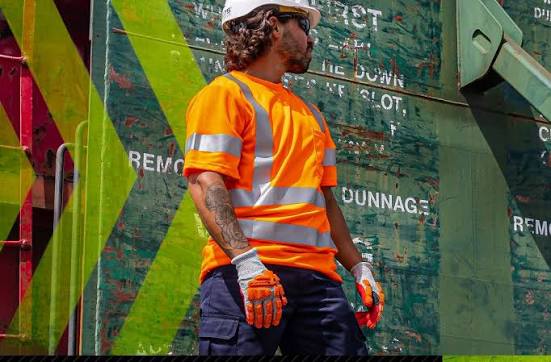
The principle of contrast and luminance is the bedrock of effective visual safety. Standard garments may be obscured by shadows and overcast skies, despite the substantial illumination provided by natural sunlight during daylight hours. Neon yellow, vivid orange, and high-contrast pink are examples of bright, fluorescent colours that absorb invisible ultraviolet light and re-emit it as visible light. This results in a luminous effect that is much more noticeable to the human eye than neutral tones. In warmer climates or warmer weather, a light hi visibility T shirt serves as an optimal baseline layer that provides optimal fluorescent coverage without causing the wearer to overheat. Motorists are granted an additional second to adjust their speed and trajectory safely, as the human eye is naturally programmed to detect these intense hues against chaotic backgrounds, such as grey asphalt, green foliage, or dark brickwork.
Dramatic changes in atmospheric conditions occur as daylight transitions to twilight. The human eye is unable to adjust to the changing light levels during the transitional periods of dawn and twilight, which are statistically among the most hazardous times to be on the road. While street lighting and vehicle headlights may not yet be fully effective, natural fluorescence loses a significant portion of its energy source due to a decrease in ultraviolet light during these hours. During these hours, it is essential to incorporate retroreflective materials into lightweight garments. A sharp, unmistakable outline of a human figure is produced when headlights strike the reflective strips on a well-designed hi visibility T shirt, reflecting light directly back to the driver. This dual strategy of nighttime reflection and bright daytime fluorescence guarantees continuous protection in environments with changing illumination conditions.
A distinctive array of visual hazards is introduced by wet weather. The presence of heavy rainfall results in the formation of water sheets on windscreen glass, the distortion of light rays, and the reflection of surrounding streetlights in perplexing patterns. Vision can be completely obscured for seconds at a time by the rain mist emitted by heavy vehicles. Additionally, dark bitumen absorbs water and transforms into a mirror-like surface, resulting in a severe glare that obscures pedestrians and cyclists. In these difficult wet conditions, the risk is substantially increased by the use of conventional wet-weather gear in dark shades. In the event that water-resistant jackets are necessary, it is crucial to ensure that the base or outer layer is equipped with a brightly coloured hi visibility T shirt or vest. This ensures that safety is never compromised if exterior layers are adjusted or removed while exercising. The wearer is immediately identifiable from ambient road spray and background clutter due to the vivid contrast that slices through the grey haze of downpours.
Visual perception is potentially the most challenging due to fog and mist. Light is scattered in all directions by minute water droplets suspended in the air, resulting in a dense white or grey curtain that significantly diminishes sightlines. In addition to obstructing a driver’s ability to see far ahead, fog frequently causes standard vehicle headlights to backscatter. In order to surmount this challenge, individuals must depend on broad, high-contrast colour patches that are situated at torso height, where vehicle lighting are most effective. The likelihood of being detected early through thick mist is increased by a fluorescent hi visibility T shirt, which provides a wide range of high-visibility material across the chest and back. The human silhouette is naturally highlighted by the movements of the limbs and torso, which alert oncoming traffic to the presence of a person long before the observer can form a detailed image.
Winter is characterised by shortened days, reduced sun angles, and unpredictable weather that can range from sleet to heavy snowfall. Intense glare can be generated by crisp, white snow, which may appear to be a brilliant backdrop. This glare can cause drivers to be dazzled and can render lighter garments completely invisible due to a lack of contrast. Fluorescent orange and deep neon green are significantly more conspicuous in snowy landscapes than standard reflective silver or pale yellow. In frigid temperatures, layering is essential; however, visibility must be preserved across all layers. Over heated thermals or under an open, unzipped heavy jacket, a durable hi visibility T shirt can be worn as an outer layer to keep the important safety colours visible. Consistent protection is guaranteed regardless of the severity of the weather, as fluorescent material is not concealed beneath hefty rucksacks or dark jumpers.
The summer months present their own unique visibility challenges. Although daylight is significantly longer-lasting, the intense, harsh shadows that it casts beneath trees, bridges, and tall buildings are a result of bright sunshine. Drivers who transition rapidly from bright sunlight to dark, tree-lined avenues experience temporary visual adaptation, during which their eyes require several seconds to adjust to the reduced light levels. During this crucial adjustment phase, an individual in dark or earthy tones who is situated in a sun-shadowed area becomes almost imperceptible. Choosing a breathable hi visibility T shirt during summer excursions ensures that even in dark shadows, the fluorescent fabric remains prominent against the indistinct background, allowing motorists to instantly recognise one another in spite of sudden changes in ambient brightness.
The detection of presence by human vision is significantly influenced by physical motion. The human brain is remarkably adept at identifying biomotion, which is the distinctive movement of human limbs and torsos. The dynamic movement of walking, sprinting, or cycling is emphasised by clothing that includes reflective bands on the waist, chest, and shoulders. When an individual wears a hi visibility T shirt, every turn of the torso and movement of the arms creates a unique visual cue that signals human activity, as opposed to a stationary road sign or post. In comparison to static reflectors, this immediate cognitive recognition induces drivers to instinctively reduce their speed, thereby significantly decreasing their reaction times.
Proper care and attention are necessary to preserve the integrity of high-visibility apparel over time. Fluorescent dyes are obscured and retroreflective glass beads are coated with dirt, muck, grease, and road grime, which significantly diminishes their efficacy. It is essential to launder garments on a regular basis with mild detergents that do not contain fabric softeners or bleaching agents in order to maintain their intended functionality. Reflective tape may be damaged and bright dyes may prematurely fade as a result of high temperatures and harsh drying cycles. A favourite hi visibility T shirt will maintain its vivid colour and reflective brilliance if you routinely inspect the equipment. The protective capabilities of fabric are reduced when it is severely faded, stained, or torn, necessitating replacement in order to ensure the highest level of personal safety in all environmental conditions.
Situational awareness and intelligent positioning are essential components of personal safety, in addition to clothing selection. Safety is considerably improved by positioning oneself on well-lit footpaths or wide verges, avoiding sudden movements into traffic lanes, and standing or walking in areas where light sources directly illuminate one. Nevertheless, visual aids continue to serve as the primary line of defence in the event that natural light is unavailable or the weather deteriorates significantly. An effective barrier against common road hazards is established by combining reliable safety wear with clear spatial awareness.
In the final analysis, a proactive approach is necessary to ensure one’s safety during unpredictable weather. A clear, sunny afternoon can be transformed into a dismal, rainy evening in a matter of minutes by changes in weather conditions. It is a hazardous practice to rely solely on ambient illumination or assume that drivers can see you. Individuals can confidently venture outdoors in any season, secure in the knowledge that they remain visible, recognisable, and safe in all atmospheric conditions, by prioritising high-contrast fluorescent colours, retroreflective technology, and practical layering techniques centred around versatile items like a hi visibility T shirt.