The idea of moving house hasn’t fundamentally changed in decades. You pack your belongings, hire a van, load furniture and transport it to a new address. Yet the experience of moving—what people actually need, expect and value—has shifted noticeably. Today’s householders approach removals differently than previous generations, driven by changed work patterns, smaller family units, property market pressures and a growing preference for flexibility and transparency. Understanding how these expectations have evolved reveals why the removal services people choose today look quite different from those of the past.
One of the most significant changes is the rise of partial or staged moving. Where previous movers typically emptied an entire house in one day, many people today need something more adaptable. Some are downsizing gradually, moving items in phases as they decide what to keep. Others face extended gaps between leaving one property and accessing another, requiring temporary storage rather than a single coordinated van arrival. The property market itself has made this reality common—chains fall through, completion dates slip, and buyers need solutions that sit somewhere between a full removal and nothing at all.
The nature of household goods has also evolved. Modern homes contain far fewer heavy pieces of furniture than homes fifty years ago, but they contain vastly more technology, fragile electronics and items that require careful handling. A contemporary move might include computer equipment, artwork, musical instruments or collectibles that demand specific protection and expertise. Conversely, the rise of flat-pack furniture has changed what dismantling and reassembly actually means. The skill required isn’t necessarily the same as handling an antique wardrobe or Victorian chest of drawers.
Work patterns have changed the timing and location of moves. Remote working means people now relocate not just for jobs tied to specific cities, but for lifestyle reasons, cost of living or family circumstances. This has spread moving activity beyond traditional hotspots of London or major employment centres. Long-distance moves have become routine for people who might never have considered leaving their region previously. Equally, the compressed working week and flexible arrangements mean that movers increasingly need services that fit around their schedules rather than the other way around.
Professional standards around insurance, documentation and customer communication have become non-negotiable expectations rather than pleasant extras. Previous generations might have accepted a verbal agreement and a handshake; today’s householders want written quotations, clear terms and documented insurance covering their belongings. This reflects broader shifts in how people approach services generally—transparency, accountability and certainty are now baseline requirements, not premium additions.
The choice between hiring professionals or managing a move independently has become more nuanced as well. Rather than an either-or decision, many people now mix approaches—hiring professionals for the heavy lifting but handling packing themselves, or arranging Wrexham house removals that cover the main relocation whilst storing items separately until they’re needed. This flexibility reflects both budget constraints and a desire to maintain some control over the process. People want to pay for the specific services they actually need rather than purchasing an all-or-nothing package.
Why Local Knowledge Matters More in a Distributed Market
The assumption that a removal company in your area simply knows your area better has become more important as removals have become more complex, not less. A company familiar with Wrexham’s properties understands practical challenges—the width of streets, the prevalence of certain building types, common access issues and seasonal weather patterns that affect moving. Yet local knowledge now encompasses something broader: understanding the specific pressures and timescales facing people in that particular region. Are properties small terraces with tight doorways, or detached homes with separate garages? Are most moves driven by employment transitions, family changes or property investment? Different areas have different moving patterns, and moving companies have adapted accordingly.
The value of a local company also extends to how it manages the unexpected. When a van needs to park on a narrow street, when a house has an unconventional layout, or when access to a property is genuinely difficult, experience with local conditions becomes practical rather than merely convenient. Professional removal teams that have worked regularly in an area develop solutions to common problems rather than seeing each obstacle as unique. They also understand local supply chains—where to source additional boxes quickly, which storage facilities are reliable, and how local traffic patterns affect timing.
Storage and Flexibility as Standard Expectations
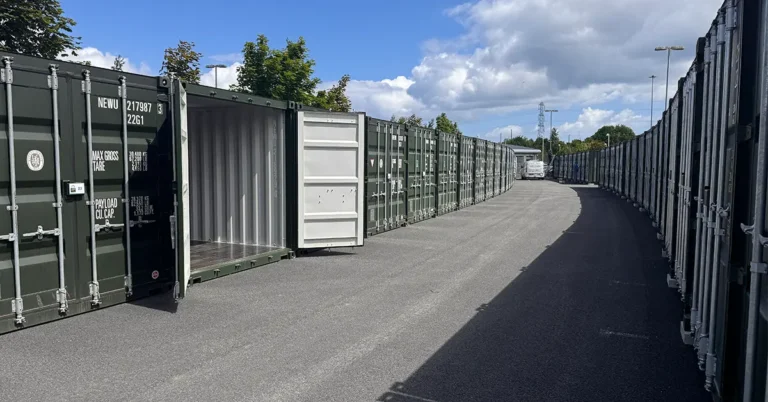
Twenty years ago, storage was an occasional addition to a removal service, typically arranged for people facing genuine crisis—a gap between sales falling through and new purchases completing. Today it’s a routine part of moving for many households. People downsize in stages. They move to a property smaller than their previous one and need temporary space. They buy before selling and require storage whilst their old home is still occupied. They’re between jobs and need flexibility about moving dates. Storage has evolved from an emergency measure to an expected part of the moving landscape.
This has changed what customers look for in a removal company. A provider might be excellent at the physical moving but unhelpful if they don’t offer, or won’t easily connect people with, secure storage options. The ability to combine services—removal, packing and storage as one coordinated process—has become a practical expectation. People want to use one trusted contact for multiple moving-related tasks rather than juggling separate providers and trying to synchronise timing between them.
Transparency and Communication as Drivers of Choice
How removal companies communicate with customers has become as important as what they do on the day itself. Previous generations might have accepted vague quotations and discovered the final cost only when the bill arrived. Modern customers expect written, itemised quotations that explain exactly what’s included, what additional costs might apply and what the insurance covers. They want to know who will arrive, what time to expect them and how long the job will take. They expect progress updates and straightforward answers to questions.
This shift reflects how people now engage with most services—through digital channels, with transparency and accountability built in. A removal company that requires multiple phone calls to get information, provides only verbal quotes or seems evasive about insurance details is at a disadvantage compared to one that handles these things as a matter of course. Clear communication isn’t a differentiator anymore; it’s a baseline.
Choosing Services That Fit Individual Circumstances
Perhaps the most important change is that people now expect removal services to be genuinely flexible—not one-size-fits-all, but genuinely tailored to what individual households actually need. Someone moving a studio flat into a shared house has completely different requirements from a family relocating a four-bedroom family home. A business moving offices has different priorities from a householder managing a residential move. Someone who can pack everything themselves needs a different service from someone juggling work and childcare and needs comprehensive packing support.
Modern moving expectations also include the option to use ancillary services as needed—furniture dismantling for just the awkward pieces, packing for fragile items only, or man-and-van transport for a single piece of furniture. Rather than accepting whatever a removal package includes, customers increasingly want to build a solution that matches their specific situation, budget and timeline. This reflects a broader consumer preference for customisation and choice, and moving services have evolved to meet it.
Moving home remains fundamentally demanding—it involves logistics, physical effort and significant expense. What’s changed is not the basic task but what people expect from the professionals they hire and how those professionals can support them. Companies that understand these evolved expectations—that flexibility, clarity and genuine tailoring matter as much as the actual moving itself—are those best positioned to meet what modern movers actually need.
Get in Touch:
Apex Removals Wrexham
6 Ranscombe Cres, Wrexham LL13 9UX
07873 773615
apexremoval.co.uk