Railway sleepers have long been valued for their strength and natural appearance, making them a popular choice for gardeners and landscapers seeking durable outdoor materials. These heavy-duty timber beams, originally used to support railway tracks, now serve a wide range of purposes in modern gardens, from raised beds to decorative pathways. Their robust construction and weather-resistant properties ensure they remain a practical option for outdoor projects that require both function and style.
Why Gardeners Choose Railway Sleepers for Landscaping
One of the main reasons gardeners opt for railway sleepers is their exceptional durability. Unlike standard timber, these sleepers are designed to withstand heavy loads and constant exposure to the elements, making them ideal for long-term garden structures. Their natural resistance to rot and insect damage further enhances their suitability for outdoor use, reducing the need for frequent replacements or maintenance. For homeowners looking to create lasting garden features, railway sleepers offer a reliable solution that blends practicality with a rustic aesthetic.
Another advantage is their versatility. Railway sleepers can be used in a variety of ways, from building raised garden beds to constructing retaining walls or even creating stylish seating areas. Their substantial size and weight provide stability, while their weathered appearance adds character to any outdoor space. Whether used in a contemporary garden or a traditional cottage setting, railway sleepers bring a sense of solidity and permanence that lighter materials often lack.
Creating Raised Garden Beds with Railway Sleepers
Raised garden beds are one of the most popular applications for railway sleepers, offering several benefits for both plants and gardeners. By elevating the soil level, these beds improve drainage and prevent compaction, creating healthier growing conditions for vegetables, flowers and shrubs. They also make gardening more accessible, reducing the need to bend or kneel, which is particularly helpful for those with mobility issues. Additionally, raised beds can help deter pests and reduce weed growth, making them a practical choice for low-maintenance gardening.
Constructing a raised bed with railway sleepers is straightforward, especially when using treated sleepers that resist moisture and decay. Simply stack the sleepers horizontally to form the sides of the bed, securing them with heavy-duty screws or brackets. For added stability, consider anchoring the corners into the ground or using a layer of gravel beneath the sleepers to improve drainage. Once assembled, the bed can be filled with a mix of topsoil and compost, ready for planting. This approach not only enhances the garden’s functionality but also adds a structured, polished look to the outdoor space.
Choosing the Right Sleepers for Your Project
When selecting railway sleepers for a garden project, it’s important to consider the type of timber and its treatment. Softwood sleepers, often made from pine or spruce, are widely available and more affordable but may require additional treatment to extend their lifespan. Hardwood sleepers, such as oak or jarrah, are naturally more durable and resistant to decay, making them a premium choice for long-term projects. Treated sleepers, which have been pressure-treated with preservatives, offer a balance between cost and durability, providing protection against rot and insect damage without the higher price tag of hardwood.
For gardeners in the East Midlands, sourcing high-quality railway sleepers from a trusted supplier ensures that the materials meet the demands of outdoor use. A local timber merchant can provide guidance on the best type of sleeper for a specific project, whether it’s for a small raised bed or a large retaining wall. By choosing sleepers that are appropriately treated and suited to the local climate, gardeners can maximise the longevity and performance of their landscaping features.
Building Retaining Walls with Railway Sleepers
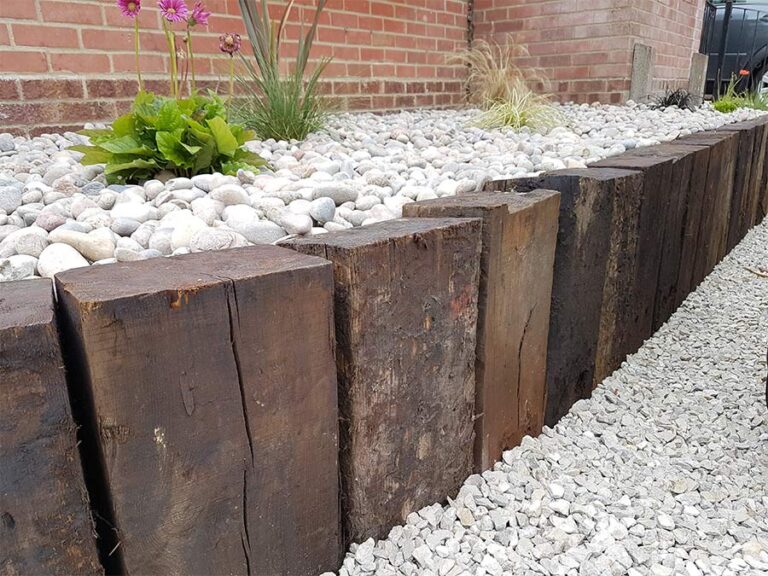
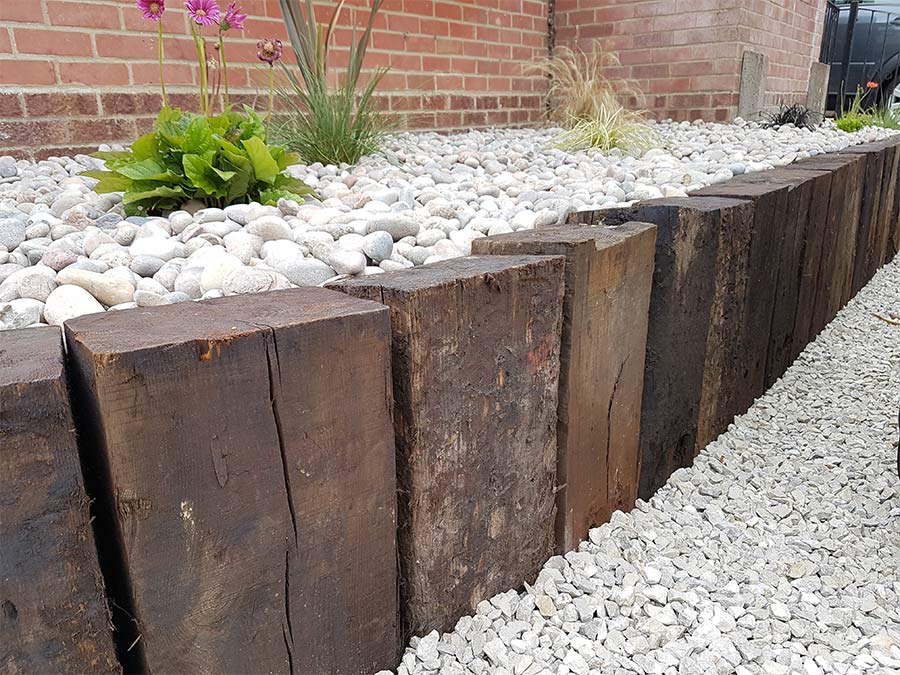
Retaining walls are another practical application for railway sleepers, particularly in gardens with sloping terrain. These walls help prevent soil erosion, create flat areas for planting and add structural interest to the landscape. Railway sleepers are an excellent choice for retaining walls due to their weight and strength, which allow them to hold back significant amounts of soil without shifting or collapsing. Their natural texture and colour also complement a wide range of garden styles, from modern minimalist designs to rustic countryside aesthetics.
Constructing a retaining wall with railway sleepers involves careful planning to ensure stability and drainage. Begin by excavating a level trench for the foundation, then lay the first layer of sleepers horizontally, ensuring they are level and properly aligned. For taller walls, it may be necessary to stagger the sleepers or use a batter (a slight inward slope) to improve stability. Backfilling the area behind the wall with gravel or a drainage layer helps prevent water buildup, which can weaken the structure over time. Once completed, the wall can be planted with trailing plants or ground cover to soften its appearance and blend it seamlessly into the garden.
Decorative Pathways and Seating Made from Railway Sleepers
Beyond functional structures, railway sleepers can also be used to create decorative elements in the garden. A sleeper pathway, for example, adds a rustic charm to outdoor spaces while providing a durable walking surface. To build a pathway, lay the sleepers horizontally along the desired route, spacing them evenly to allow for drainage. For a more polished look, consider cutting the sleepers to size or using them as edging to define garden borders. Their natural weathered appearance blends effortlessly with both formal and informal garden designs, making them a versatile choice for pathways, patios and even outdoor seating.
Outdoor seating made from railway sleepers is another creative way to incorporate these materials into the garden. A simple bench can be constructed by stacking sleepers vertically and securing them with brackets, while a more elaborate seating area might include a table and benches made entirely from sleeper timber. These pieces not only provide practical seating but also serve as striking focal points in the garden. Their robust construction ensures they can withstand regular use, making them a long-lasting addition to any outdoor space.
For those looking to source railway sleepers for their next garden project, a reputable timber merchant offers a wide selection of treated and untreated options to suit different needs and budgets. Whether you’re building a raised bed, a retaining wall or a decorative pathway, railway sleepers provide a durable and stylish solution that enhances both the function and beauty of your garden.
Exploring the possibilities of railway sleepers reveals just how adaptable these materials can be in modern gardens. From practical structures like raised beds and retaining walls to decorative features such as pathways and seating, railway sleepers offer a blend of strength, versatility and natural appeal. By choosing the right type of sleeper and incorporating them thoughtfully into your garden design, you can create outdoor spaces that are both functional and visually striking.
For homeowners and landscapers in the East Midlands, sourcing high-quality railway sleepers from a trusted supplier ensures that your garden projects are built to last. With their durability and timeless aesthetic, railway sleepers continue to be a favourite among gardeners looking to combine practicality with style.
If you’re considering a project that requires heavy-duty timber, railway sleepers provide a reliable and attractive option. Their ability to withstand the elements while adding character to your garden makes them a worthwhile investment for any outdoor space.
For more information on railway sleepers and their applications in garden landscaping, visit Express Timber & Wood Ltd’s website or contact their team to explore a range of options suited to your project.