Restorative dentistry is designed to repair damaged teeth, restore oral function and improve the appearance of a patient’s smile. Whether treatment involves a crown, bridge, inlay, onlay, veneer, denture or implant restoration, the final result must fit comfortably and work naturally within the patient’s mouth. Using a 3D dental lab can help dental professionals achieve this by combining accurate digital information, detailed computer-aided design and carefully controlled manufacturing.
A restoration that fits well from the outset can make the treatment process more comfortable for the patient. It may also reduce the amount of chairside adjustment required, limit the need for repeat impressions and support a more efficient clinical experience. However, the technology is only one part of the process. Successful restorative dentistry depends on accurate data, careful planning, appropriate material selection and close communication between the dentist and the 3D dental lab.
Starting with accurate patient data
The quality of a dental restoration is closely connected to the quality of the information used to design it. Traditional impressions can be effective, but they may be affected by movement, distortion, air bubbles, material shrinkage or incomplete capture of the teeth and surrounding tissues. If the original impression does not accurately represent the patient’s mouth, the finished restoration may require additional adjustments.
A digital workflow allows the dental team to capture a detailed three-dimensional representation of the patient’s teeth. An intraoral scanner records the contours of the prepared tooth, adjacent teeth, gum line and opposing arch. The bite relationship can also be captured digitally, helping the design team understand how the upper and lower teeth meet during normal function.
This information can then be sent securely to a 3D dental lab for assessment and design. Digital files are not exposed to the same physical risks as impression materials during transport. They can also be reviewed, stored and reused if a restoration needs to be remade in the future.
Accurate scanning is particularly important when creating a crown or bridge. The restoration must follow the prepared tooth closely while maintaining the correct contact with neighbouring teeth. It must also preserve enough space for the selected material and avoid interfering with the patient’s bite. A reliable digital scan gives the technician a stronger foundation on which to build the restoration.
Designing around the individual patient
No two patients have exactly the same oral anatomy, bite pattern or aesthetic expectations. A standardised restoration may therefore fail to provide the comfort, function or appearance that an individual patient needs. A 3D dental lab can use digital design software to create a restoration based on the patient’s specific anatomy rather than relying on a generic shape.
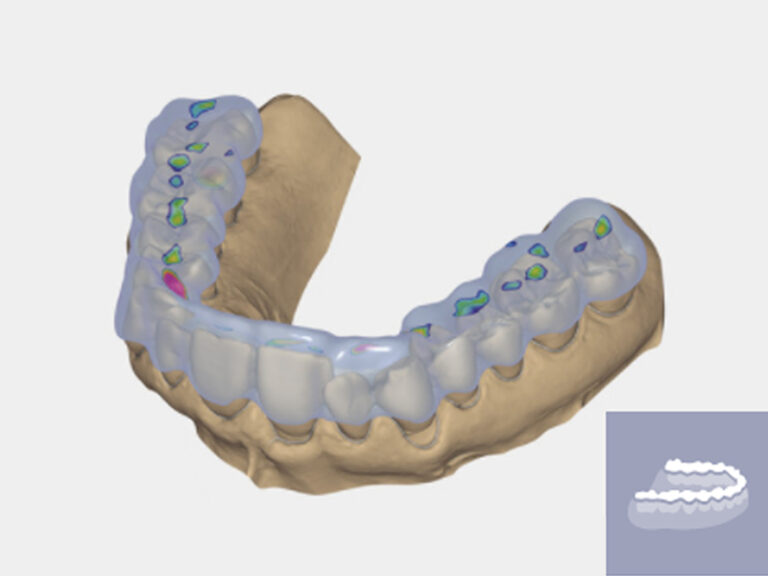
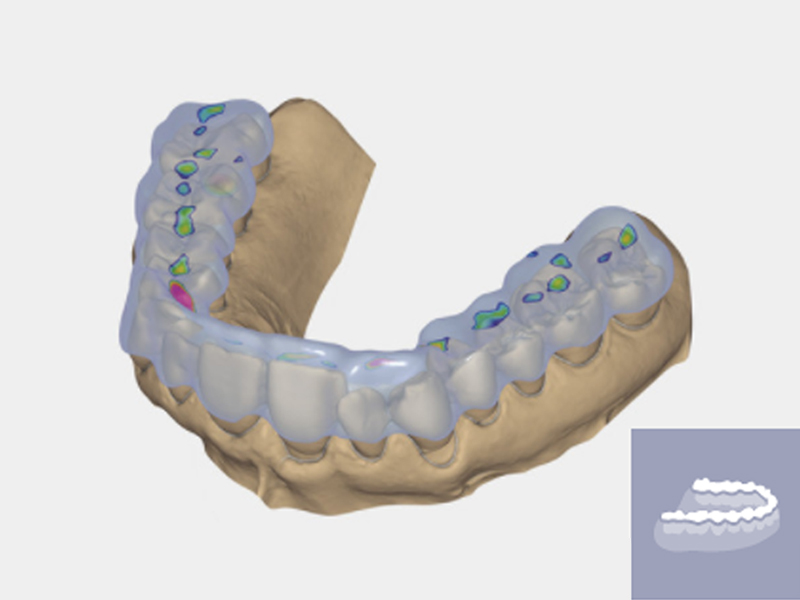
The technician can examine the digital model from multiple angles and identify potential problems before the restoration is manufactured. This may include inadequate clearance, unsuitable contact points, an overly prominent contour or a margin that does not follow the preparation correctly. The design can then be adjusted on screen before it becomes a physical restoration.
Digital design can also take the patient’s facial characteristics and existing teeth into account. For visible restorations, factors such as tooth length, width, alignment, symmetry and surface texture all influence the final result. The aim is not simply to produce a technically acceptable crown or veneer, but to create a restoration that looks appropriate for the patient.
The dentist can communicate functional and aesthetic requirements to the 3D dental lab as part of the digital prescription. Photographs, shade information, clinical notes and scans can be considered together. This collaborative process makes it easier to plan a restoration that reflects the patient’s needs and the clinician’s treatment objectives.
Checking the fit before manufacture
One of the most useful advantages of a digital workflow is the ability to inspect a restoration virtually before it is produced. Digital analysis can highlight areas where the proposed restoration may be too tight, too loose or incorrectly positioned. The technician can assess the internal space, marginal design, occlusal contacts and relationship with surrounding teeth.
This does not eliminate the need for clinical judgement. The dentist remains responsible for assessing the patient’s oral health, preparation design and suitability for treatment. Nevertheless, a 3D dental lab can identify design issues early, when they are easier to correct.
For some treatments, a digital or printed trial can also be used. A temporary restoration or mock-up may allow the dentist and patient to evaluate tooth shape, appearance and bite before the definitive work is completed. This is especially helpful for extensive restorative cases, where small changes to tooth position or length can make a significant difference to comfort and appearance.
A trial stage also gives the patient a greater role in the process. They can discuss how the proposed restoration feels and looks before the final version is made. This patient-first approach helps ensure that the finished result is not only technically accurate but also acceptable to the person who will wear it.
Producing consistent restorations
After the design has been approved, the 3D dental lab can manufacture the restoration using a suitable digital production method. Depending on the case, this may involve three-dimensional printing, milling or a combination of digital technologies. The selected process will depend on the restoration type, material requirements, strength expectations and clinical prescription.
Three-dimensional printing creates an object layer by layer from a digital design. This allows highly detailed shapes to be produced with a repeatable manufacturing process. The technology can be useful for temporary crowns, models, surgical guides, denture components and selected restorative applications. Milled materials may be preferred for certain definitive restorations, particularly where specific strength, wear or aesthetic properties are required.
The important point is that a 3D dental lab can use digital control throughout the workflow. Once a design has been approved, the same file can be manufactured consistently and, where appropriate, reproduced later. This can be valuable if a temporary restoration is lost or damaged, or if a replacement is needed after several years.
Digital production may also reduce the variation associated with some manual processes. Skilled dental technicians remain essential, especially when refining contours, characterising surfaces and assessing the final restoration. Technology supports their expertise rather than replacing it.
Improving patient comfort
A restoration that fits correctly can feel more natural and require fewer adjustments. Excessive pressure on a prepared tooth, an incorrect bite or an over-contoured crown can cause discomfort when chewing. Poorly adapted margins may also make cleaning more difficult and contribute to irritation around the gum.
By using accurate scans and detailed digital design, a 3D dental lab can help reduce the risk of these problems. The restoration can be assessed in relation to the patient’s bite and surrounding structures before delivery. When the completed work reaches the dental practice, the dentist can check the fit clinically and make any necessary minor refinements.
Fewer adjustments may mean a shorter appointment and less inconvenience for the patient. This is particularly beneficial for people who feel anxious about dental treatment or who have difficulty attending several appointments. It can also make complex restorative treatment more manageable for patients with demanding work or family commitments.
However, patients should understand that no manufacturing method can guarantee a perfect fit in every case. Teeth, gums and the jaw can change during treatment, and clinical conditions may differ from the original scan. A careful fitting appointment remains an important part of responsible restorative dentistry.
Supporting efficient communication
Communication between the dental practice and the 3D dental lab is central to the success of any restoration. A detailed digital prescription should explain the treatment objective, preparation details, material preferences, shade requirements and relevant information about the patient’s bite. Photographs and clinical notes can provide additional context.
If the technician identifies a concern, the digital workflow makes it easier to discuss the issue before manufacturing begins. The dentist may be able to provide a new scan, clarify the intended design or alter the preparation. Solving the problem at this stage is generally more efficient than waiting until the restoration has been delivered.
Digital records also improve traceability. The practice and laboratory can retain information about the design, material and manufacturing process. If the restoration needs to be reviewed or reproduced, the original digital information may be available rather than requiring the entire process to start again.
This organised approach can help create a smoother experience for everyone involved. Most importantly, it keeps the patient’s treatment goals at the centre of technical decision-making.
Maintaining quality at every stage
The presence of a 3D printer or digital design system does not automatically ensure a high-quality restoration. The 3D dental lab must use suitable materials, maintain its equipment and follow reliable procedures for printing, washing, curing, finishing and inspection. Each stage can affect the final accuracy and performance of the restoration.
Quality checks may include reviewing the digital design, confirming the material and shade, examining the margins, checking the contacts and assessing the surface finish. Printed restorations may require careful post-processing to achieve their intended properties. If these steps are rushed or completed incorrectly, the restoration may not perform as planned.
Technician experience is also important. Digital systems can produce precise results, but they still require human oversight. A trained professional must recognise whether the proposed contours are practical, whether the material is appropriate and whether the final restoration reflects the prescription.
Dental practices should therefore consider the laboratory’s workflow, communication standards and quality control procedures when selecting a 3D dental lab. The best results come from combining modern technology with dependable technical expertise.
Looking beyond the first fitting
The aim of restorative dentistry is not merely to make a restoration fit on the day it is delivered. It should also support long-term comfort, function, hygiene and appearance. Correct contacts and contours can help the patient clean around the restoration, while an appropriate bite can reduce unnecessary stress on the tooth and prosthesis.
Good oral hygiene, regular dental examinations and sensible eating habits remain essential after treatment. Even a carefully designed restoration can be affected by decay, gum disease, tooth wear, grinding or changes in the surrounding teeth. Patients should receive clear advice about maintaining their restoration and reporting any discomfort promptly.
A 3D dental lab can contribute to long-term care by retaining digital records and making future reproduction easier. If a crown, bridge or denture needs to be repaired or replaced, previous scans and designs may help the dental team recreate the original result or make informed improvements.
The technology therefore supports both the immediate fitting appointment and the wider treatment journey.
A patient-first digital workflow
Using a 3D dental lab for restorative dentistry can improve the way a restoration is planned, designed and produced. Digital impressions provide detailed information, computer-aided design allows potential issues to be addressed early, and controlled manufacturing can support consistency. Together, these features may reduce adjustment time and help create restorations that feel comfortable and function naturally.
The most effective workflow remains centred on the patient. Technology should be selected because it supports accurate diagnosis, thoughtful design and predictable care, not simply because it is modern. The dentist, technician and patient all have important roles in determining the final result.
When digital precision is combined with clinical experience and careful quality control, a 3D dental lab can help restorative work fit the patient correctly first time. Just as importantly, it can contribute to a more comfortable, efficient and personalised experience from the initial scan through to long-term maintenance.