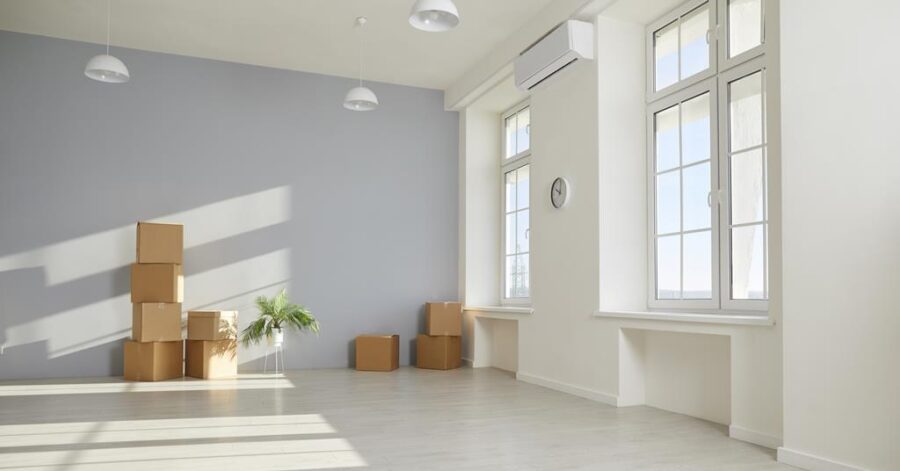
When a property will be empty for a lengthy period of time, one of the first things a property owner should do is arrange for appropriate insurance. Standard house or property insurance is often built with the premise that a structure is occupied on a regular basis, thus keeping it vacant for an extended period of time can have an impact on the terms of an existing policy. This is where unoccupied property insurance is very vital.
Whether a property is for sale, being renovated, between tenants, being inherited, or simply not being used for a period of time, leaving it uninsured or improperly insured can expose the owner to considerable financial risks. Finding adequate unoccupied property insurance requires more than just shopping for the lowest rate. Owners must understand why the property is empty, how long it is projected to be unoccupied, and what hazards must be addressed.
Understanding why regular insurance may not be suitable.
One of the first stages in obtaining unoccupied property insurance is to understand why a regular policy may not provide the protection required when a structure is vacant. Many typical property policies include provisions for periods when a property is uninhabited. These factors can limit coverage after a certain number of consecutive days without inhabitants.
An empty property can pose distinct risks than an occupied one. Small maintenance concerns, for example, may go unreported for longer periods of time, increasing the likelihood that minor difficulties would result in costly damage. A leaking pipe could go undiscovered, yet a heating failure during cold weather could do significant harm. Empty properties may be more vulnerable to theft, vandalism, trespassing, and other forms of malicious harm.
Unoccupied property insurance is designed to handle the increased risks associated with properties that are not lived in or frequently occupied. However, policies can differ greatly, so it is crucial not to assume that every policy will provide the same level of protection.
determining how long the property will be unoccupied.
When looking for unoccupied property insurance, consider the estimated time of vacancy. An insurer will normally want to know how long the property is projected to be vacant, because the risks vary based on the length of the vacancy.
A property that will be vacant for a few months may have different insurance requirements than one that could be vacant for a year or more. If the predicted duration changes after the policy has been purchased, the insurer may need to be notified. Failure to notify a major change in circumstances could jeopardise the validity or scope of coverage.
Before looking for unoccupied property insurance, make a reasonable estimate of the vacancy duration. If the exact date when the property will be occupied again is unknown, it is preferable to explain it rather than present an artificially accurate date.
Consider why the property is uninhabited.
The reason for the vacancy may also determine the sort of unoccupied property insurance required. A property for sale may have different needs than a house undergoing extensive renovations. Similarly, an inherited property may remain empty until ownership or probate issues are resolved.
Renovations are especially crucial to consider. Some insurance policies may impose restrictions where significant building work is being done, while others may differentiate between modest modifications and big structural changes. Anyone carrying out considerable work should ensure that the proposed insurance is appropriate for the nature of the refurbishment.
The anticipated use of the property once it is occupied again may also be important. For example, a property designed to be rented out may have different specifications than one that would eventually be utilised as a private dwelling. When applying for unoccupied property insurance, provide correct information so that the insurer can appropriately examine the conditions.
Determine what level of coverage is required.
Another critical step is identifying the dangers that must be addressed. Unoccupied property insurance policies vary in scope, thus property owners should carefully examine the policy terms rather than relying merely on a summary or headline description.
Buildings coverage is frequently a primary consideration since it can safeguard the physical structure of the property from specific insured events. Depending on the policy, these risks may include fire, storm damage, water escape, or malicious harm. However, exclusions and conditions may apply.
Contents may require independent consideration. An empty property may contain furniture, appliances, fixtures, or other objects, however not all unoccupied property insurance policies include comprehensive contents coverage. Owners should choose whether contents are included, whether there are restrictions on individual things, and whether certain sorts of property are excluded.
Liability insurance may also be required, especially if guests, contractors, or other individuals have access to the property. The precise requirements vary depending on the circumstances, so the policy wording should be carefully reviewed.
Pay great attention to the policy conditions.
Finding suitable unoccupied property insurance is more than just reviewing the occurrences covered. The conditions of the policy can be equally essential. Insurers may require property owners to take reasonable safeguards when the structure is vacant.
These criteria may include regular inspections, suitable security, keeping the property in an acceptable condition of repair, and taking steps to prevent the danger of water damage. There may also be requirements for locks, alarms, boarding, and other security measures.
Inspection standards warrant special attention. A policy may stipulate how often the property must be examined and what should be checked during each visit. It may also demand proof that inspections have occurred. If the owner is unable to visit personally, it may be feasible to arrange for someone else to perform the necessary checks, as long as this is in accordance with the policy provisions.
Anyone considering unoccupied property insurance should read the terms before getting coverage. A seemingly affordable policy may be less acceptable if its conditions cannot be realistically met.
Think carefully about security.
Security is another important factor when purchasing insurance for an empty building. A unoccupied property may be more appealing to trespassers, thieves, or vandals, especially if it appears neglected or unmonitored.
Before purchasing unoccupied property insurance, assess the property’s current security. Doors and windows should be properly secured, and exterior areas should be kept up so that the house does not appear abandoned. Where applicable, extra security measures may reduce risk while simultaneously being required by the insurance policy.
It is critical not to implement or rely on security measures solely because they are widely advocated. Instead, determine what the chosen policy actually requires. If specific locks, alarms, or other protections are required, the owner must guarantee that they are met.
Take care to prevent water and weather damage
Water damage is another concern that requires special attention while a property is vacant. When no one is around to detect a minor leak, it can soon escalate into a huge issue. Similarly, cold weather can increase risks if pipes and heating systems are not adequately maintained.
The requirements for coping with these risks differ by policy. Some unoccupied property insurance policies may have conditions concerning heating, water systems, or drainage. Others may require specific measures during cold weather.
Owners should therefore determine precisely what their policy demands before leaving the property unattended. If the building has a central heating system, for example, the policy may state whether it shall be kept operable and at what temperature. Alternatively, there may be regulations to turn off and empty water systems.
Compare plans based on more than pricing.
When shopping for unoccupied property insurance, price is undoubtedly crucial, but it should not be the only element to consider. Two plans’ premiums can be significantly different because they provide different amounts of coverage or impose various conditions.
When evaluating choices, think about the length of coverage, insured risks, excesses, exclusions, security requirements, and inspection conditions. It is also worth investigating whether the coverage may be renewed if the property is vacant for longer than intended.
The cheapest coverage may not be excellent value if it excludes a significant risk or requires unrealistic safeguards for the property owner. Paying for substantial coverage that is not necessary for the property’s situation may also be inefficient. The goal should be to locate unoccupied property insurance that is appropriate for the current dangers.
Be fully accurate while sharing information.
Accuracy is vital while applying for insurance. When requesting unoccupied property insurance, offer accurate and complete information about the property, including its condition, occupancy status, intended use, and anticipated vacancy time.
If the property is being renovated, describe the nature of the work. Mention that contractors will have regular access to the building. If the property contains valuable items or has unusual traits, these should be mentioned when appropriate.
The insurer utilises the information provided to assess the risk and decide the conditions of coverage. If conditions change after the coverage begins, the owner should determine whether the insurer must be notified.
Review the policy before the property becomes empty.
Unoccupied property insurance should be obtained before the property is left vacant, not after a long time of un-occupancy. This allows the owner to better grasp the requirements and take the appropriate measures.
Before the property is emptied, thoroughly examine the papers and prepare a list of critical obligations. This comprises inspection frequency, security standards, maintenance duties, and processes for reporting changes.
It is also advisable to preserve records of inspections and maintenance. Photographs, dates, and notes can be important evidence that the property’s condition has been checked and the necessary safeguards have been taken.
Finding appropriate protection
Finding the appropriate unoccupied property insurance involves a thorough study of the property and the circumstances surrounding its vacancy. The amount of time it will be unoccupied, the cause of the vacancy, its condition, its contents, and the security measures in place can all have an impact on the sort of cover necessary.
Instead of focusing simply on the premium, property owners should consider the scope of coverage and the policy’s terms and conditions. Inspection requirements, security obligations, water and weather measures, exclusions, and renovation work treatment should all be carefully considered.
Most essential, unoccupied property insurance should accurately reflect the property’s current situation. Providing accurate information and keeping the insurer informed if circumstances change can assist guarantee that the policy remains effective during the vacancy term.
An unoccupied property does not need to be uninsured. With careful planning and a comprehensive assessment of available coverage, owners can discover unoccupied property insurance that is tailored to the unique considerations connected with leaving a building vacant for an extended period of time.