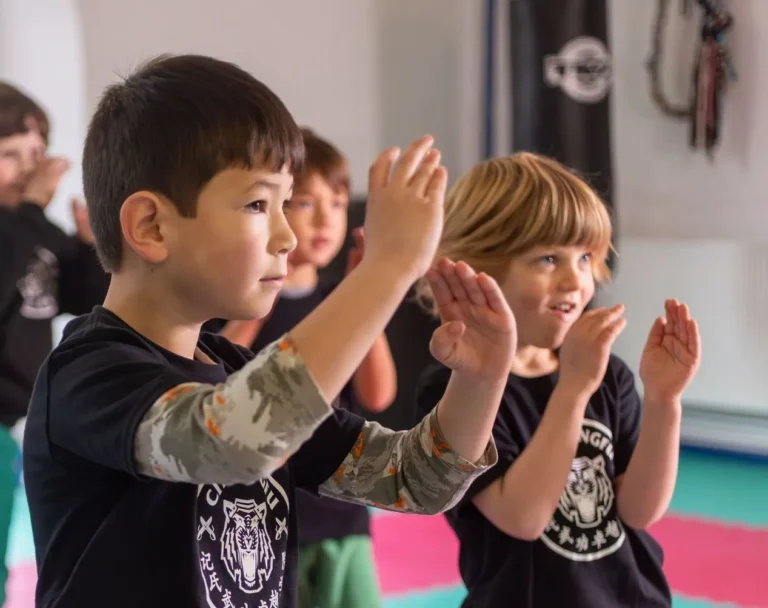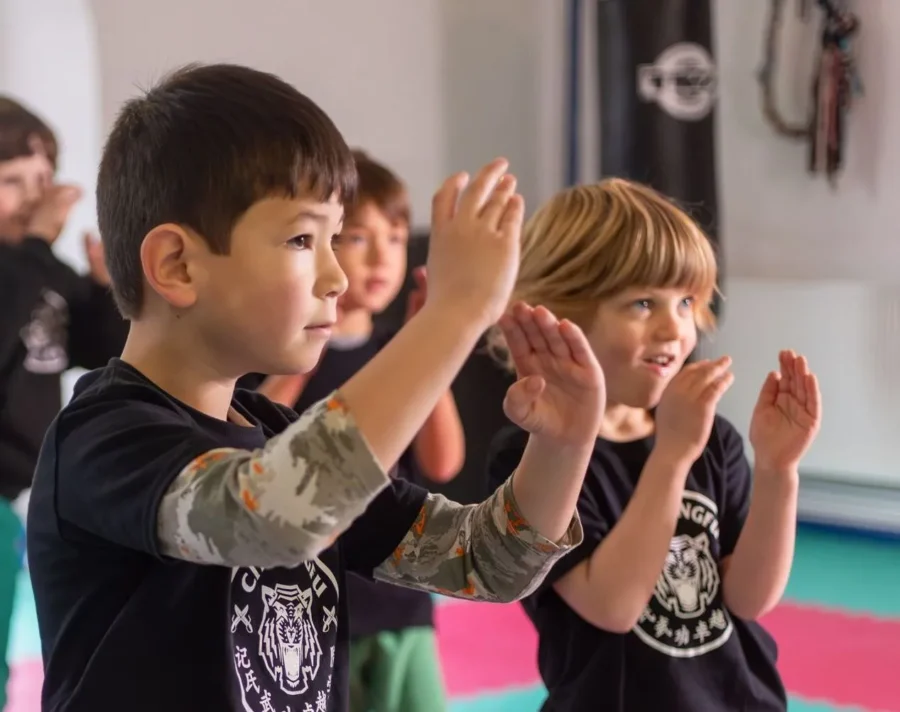
Kids benefit greatly from martial arts instruction, which teaches them not just self-defence but also mental toughness, emotional control, social competence, and physical health. Parents looking for an organised, screen-free activity that promotes overall growth will find kids martial arts to be an exceptional option.
Physical maturation and skill level in motor control
Children’s physical health is one of the most noticeable and quantifiable outcomes of kids martial arts. Cardiovascular fitness, strength in the muscles, flexibility, and coordination are all enhanced with regular training in dynamic motions like kicking, punching, leaping, and grappling. Appropriate for their developmental stage, these pursuits help kids channel their boundless energy while honing their dexterity with both large and small muscles. Studies have shown that young people who participate in martial arts programs have considerable improvements in their speed, agility, balance, and explosive strength. Children of varying fitness levels can progress at their own speed in martial arts because the focus is on personal development rather than team competitiveness, as is the case in many team sports. This all-encompassing method lessens the likelihood of giving up and encourages a lifelong fondness for physical exercise. Additionally, martial arts weight-bearing motions have osteogenic effects that raise bone mineral density, which is a solid base for healthy bones in the long run.
Personal development and scholastic achievement
Beyond the obvious physical benefits, kids martial arts training has significant mental advantages that show up in their academic performance. Executive abilities including working memory, impulse control, and cognitive flexibility are enhanced by the structured nature of training, which encourages youngsters to memorise sequences, follow multi-step instructions, and maintain sustained attention. Research has shown that children who participate in martial arts programs exhibit significant improvements in concentration, attention span, and self-regulation when compared to their counterparts who participate in less structured activities. Children with ADHD, who often struggle to control their restless energy, may find that the structured practices and frequent reinforcement of martial arts help them focus and control their symptoms. Results from neuroimaging studies show that martial artists who practise for a long time have an increase in grey matter volume in areas of the brain related to motor planning, memory, and higher-order thinking. Consequently, students who exercise consistently typically show signs of increased academic confidence, better listening abilities, and improved homework completion.
Mental toughness and stress reduction
Kids martial arts provide an effective remedy for the epidemic of anxiety and emotional dysregulation plaguing today’s youth. Training teaches children self-control, how to wait for rewards and remain composed when faced with adversity. Kids learn that failure is just a setback on the road to success when they face controlled obstacles again and over again, like perfecting a challenging technique or sparring with a partner. They develop emotional resilience as a result, which helps them recover quickly from setbacks in their personal and athletic lives. In addition, training’s physical demands cause the body to create feel-good neurotransmitters like endorphins, which in turn lowers stress and boosts mood. In order to help students better manage their emotions in real-life scenarios, many teachers also include mindfulness techniques like focused breathing and meditation postures. Gradually, these qualities show up as less aggressiveness, more self-control, and better skills for resolving conflicts at home and in the classroom.
Personal growth through enhancing social abilities
Learning martial arts isn’t just about being stronger; it’s also about developing your character. Children learn a culture of kindness, cooperation, and respect from the very first class in kids martial arts. The principles of respect and decency instilled by bowing to teachers, listening carefully to classmates, and following dojo protocol are transferable to life outside of the dojo. Children learn that success is the result of persistent work, not natural ability, thanks to the belt system, which offers a structured approach to goal-setting and accomplishment. An individual’s innate drive and feeling of agency over his or her own development are both bolstered by this growth attitude. When you practice with people of different ages and abilities, you build social skills like empathy, communication, and teamwork. Kids learn to support one another through tough times, share in the joy of others’ achievements, and provide and receive constructive criticism. Children who struggle with social anxiety or shyness may find a nurturing community in a well-organised martial arts club, where they may practice self-defence while making friends they’ll last a lifetime. Following the start of instruction, many parents notice an improvement in their children’s demeanour, listening abilities, and ability to work together with peers.
Lifestyle advantages over the long term
Kids martial arts provide long-term benefits, including the development of good habits and a sense of purpose in life. Martial arts can help kids establish a lifelong love of movement, which in turn lowers their risk of obesity, heart disease, and other linked conditions by encouraging them to maintain an active lifestyle throughout their teenage and adult years. Perseverance in the classroom, professional aspirations, and personal relationships are just a few areas where the self-control and discipline developed during training can be applied. The most essential thing about martial arts is the sense of community and belonging it fosters. The dojo provides a safe haven for kids in a world where they may feel pressured to fit in or compete, showing them that what matters most is the process, not the result. Children are equipped to face life’s obstacles with bravery, honesty, and empathy when they have a strong sense of self-worth.
Picking the correct software
The advantages of teaching kids martial arts are well-known, but what really important is the calibre of training. It is important for parents to look for programs that prioritise safety, use age-appropriate educational approaches, and create a welcoming environment. Find teachers who put an emphasis on character development in addition to technique, and who create a welcoming classroom where all students feel safe to be themselves. Keep away from environments that are too physical or too competitive, as they can counteract the positive psychological and emotional effects of training. Kids martial arts can serve as a foundation for a child’s social, emotional, and intellectual growth if they are chosen carefully.
In conclusion, kids martial arts are a great long-term investment because of the many benefits they provide, including improved motor skills, cognitive abilities, emotional resilience, and social competence. Young people are prepared to succeed in all areas of life when they participate in martial arts because the discipline, challenge, and support they receive are balanced.