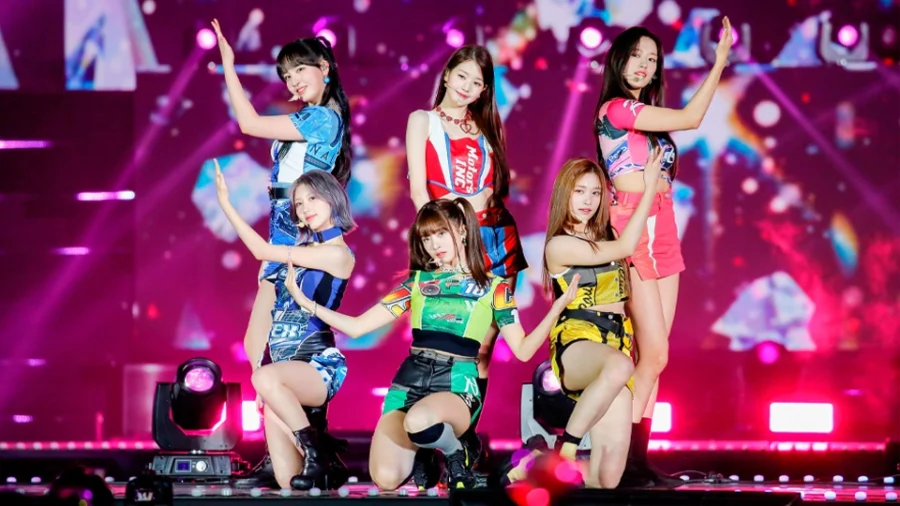
K-pop has grown from a regional music style into one of the most influential cultural movements in the world. Short for Korean popular music, K-pop combines catchy melodies, impressive choreography, striking visuals and carefully crafted performances. Over the past two decades, K-pop has attracted millions of fans across continents, creating a dedicated international community that continues to expand. The success of K-pop demonstrates how music can cross language barriers and connect people through shared enthusiasm and creativity.
One of the defining characteristics of K-pop is its ability to blend a wide range of musical genres. A typical K-pop song may incorporate elements of pop, hip-hop, dance, electronic music, rhythm and blues, and even rock. This versatility allows K-pop artists to experiment with different sounds while maintaining a distinctive identity. As a result, K-pop appeals to listeners with diverse musical tastes and offers something new with almost every release.
The visual aspect of K-pop is equally important to its popularity. Music videos are often produced with remarkable attention to detail, featuring vibrant colours, elaborate sets and memorable concepts. K-pop performances are designed to be visually engaging, with synchronised choreography playing a central role. Fans often admire the precision and energy displayed during live stages, making K-pop performances a major attraction alongside the music itself.
Another reason for the success of K-pop is its emphasis on storytelling and concepts. Many K-pop releases are built around themes that extend across multiple songs, albums or promotional periods. This approach encourages audiences to engage more deeply with the content and follow the artistic development of performers over time. Through carefully planned concepts, K-pop creates immersive experiences that go beyond simply listening to music.
The training and preparation involved in K-pop are often extensive. Aspiring performers may spend years developing their singing, dancing and stage presence before making their public debut. This focus on skill development contributes to the high standard associated with K-pop performances. Audiences frequently recognise the dedication required to succeed in such a competitive environment, which adds to the respect many fans have for K-pop artists.
The international reach of K-pop has been supported by digital technology and social media. Online platforms have allowed fans from different countries to discover K-pop content instantly, regardless of geographical location. Music videos, live performances and behind-the-scenes material can be viewed by audiences around the world within moments of release. This accessibility has played a major role in transforming K-pop into a truly global phenomenon.
K-pop has also fostered strong fan communities. Fans often participate in discussions, organise events and create content inspired by their favourite performers. These communities provide opportunities for people from different backgrounds to connect through a shared interest in K-pop. The sense of belonging generated within these groups is one of the reasons many individuals remain passionate supporters for years.
Fashion is another significant component of K-pop culture. Performers are known for experimenting with a variety of styles, from bold and colourful outfits to more sophisticated and understated looks. K-pop trends frequently attract attention from audiences interested in personal style and self-expression. As a result, K-pop has become influential not only in music but also in broader discussions about fashion and aesthetics.
The impact of K-pop can be seen in the growing popularity of Korean culture more generally. Many people who initially discover K-pop go on to explore other aspects of Korean entertainment, language and traditions. In this way, K-pop serves as a gateway to cultural exchange, encouraging curiosity and understanding between people from different parts of the world.
Dance plays a particularly important role in K-pop. Choreography is often designed to be both visually impressive and memorable, allowing fans to learn and recreate routines themselves. Dance practice videos are especially popular within the K-pop community, offering a closer look at the precision required for each performance. The emphasis on choreography helps distinguish K-pop from many other forms of popular music.
One notable aspect of K-pop is its ability to adapt to changing trends while retaining its unique identity. As musical preferences evolve, K-pop artists continue to experiment with fresh sounds and creative concepts. This flexibility allows K-pop to remain relevant in a fast-moving entertainment landscape. By balancing innovation with familiar elements, the genre consistently attracts new audiences while maintaining the loyalty of existing fans.
The production quality associated with K-pop is another factor behind its global appeal. Songs are often carefully arranged, and performances are meticulously planned to deliver a polished final product. This attention to detail extends across every aspect of K-pop, from music and choreography to visual presentation and audience engagement. The result is a form of entertainment that feels highly refined and professional.
K-pop has also demonstrated the importance of international collaboration. While rooted in Korean culture, K-pop frequently incorporates influences from around the world. This openness to diverse ideas has contributed to its widespread popularity. By blending local traditions with global trends, K-pop creates content that resonates with audiences from many different cultural backgrounds.
Language has not prevented the growth of K-pop. Although many songs are primarily performed in Korean, fans around the world continue to embrace the music enthusiastically. The success of K-pop highlights the idea that emotional connection, melody and performance can be just as important as understanding every lyric. Music has long been a universal language, and K-pop provides a clear example of this principle in action.
The live concert experience is a major attraction for many K-pop fans. Concerts often feature elaborate staging, dynamic choreography and extensive audience interaction. These events create memorable experiences that strengthen the bond between performers and their supporters. For many people, attending a K-pop concert represents the culmination of years of admiration and enthusiasm.
K-pop has influenced the way modern entertainment is marketed and consumed. Frequent updates, interactive content and direct communication with audiences help maintain strong connections between performers and fans. This approach has contributed to the growth of highly engaged communities that actively support K-pop releases and events. The relationship between artists and audiences is therefore an important part of the genre’s continued success.
The educational impact of K-pop should not be overlooked. Many international fans become interested in learning the Korean language after discovering K-pop. Others explore Korean history, customs and contemporary society through their interest in the genre. In this sense, K-pop encourages cultural learning and broadens perspectives, demonstrating how entertainment can inspire meaningful engagement with different cultures.
Despite its achievements, K-pop faces challenges typical of a competitive entertainment industry. High expectations, rapid production schedules and intense public scrutiny can create pressure for performers. Discussions about well-being, work-life balance and industry practices have become increasingly important within conversations about K-pop. These topics highlight the need to support sustainable and healthy careers in entertainment.
The future of K-pop appears bright as the genre continues to evolve and reach new audiences. Emerging artists bring fresh ideas, while established performers continue to push creative boundaries. Advances in technology are likely to provide additional opportunities for innovation, allowing K-pop to expand its influence even further. The genre’s ability to adapt suggests that it will remain an important part of the global music landscape for years to come.
In conclusion, K-pop has become far more than a musical genre. It is a cultural phenomenon that combines music, dance, fashion, storytelling and community in a unique and engaging way. Through its creativity, professionalism and international appeal, K-pop has connected millions of people around the world. As it continues to evolve, K-pop is likely to remain a powerful force in global popular culture, inspiring audiences and shaping entertainment trends for future generations.