Whether it be a home theatre, recording studio, workplace, or big public auditorium, the decision to increase the sound quality and acoustic environment of a room typically culminates in the requirement for the installation of acoustic panels. Although it may appear to be a basic operation, this procedure actually comprises a number of crucial stages, beginning with the preliminary preparation and ending with the mounting of the panels. Having a clear understanding of what to anticipate during the installation of acoustic panels is essential for ensuring a successful project and obtaining the desired outcome, which is a place that possesses sound characteristics that are both controlled and pleasant.
Initial Evaluation and Planning Requirements
It is necessary to carry out a considerable amount of planning prior to the lifting of the first panel. In the first stage of the installation process for acoustic panels, a comprehensive evaluation of the existing acoustics of the room is performed. The measurement of reverberation time (RT60) and the identification of key sources of acoustic problems, such as standing waves, flutter echoes, and excessive reflections, are frequently included in this process. The sort of panels, their size, and the amount that are required are all determined by this diagnostic stage. You need to make a decision on whether you need panels for sound absorption (to lessen the amount of echo and reverb that occurs within the room) or sound diffusion (to disperse sound waves and keep the atmosphere of the room alive). After that, the placement is methodically planned, which frequently involves the use of computer modelling or straightforward but influential acoustic theories such as the ‘first reflection point’ technique. When it comes to successfully installing acoustic panels, proper planning is the most important single factor.
Selection of Panels and The Preparation of
After the plan has been established, the particular acoustic panels that will be used must be chosen. In terms of material, core density, thickness, and fire rating, these panels come in a wide range of variations, all of which have an effect on their performance and cost. Some of the components that are commonly used are mineral wool, fibreglass, and various forms of foam, all of which are coated in a fabric that is aesthetically beautiful. In addition to choosing, preparation is essential. During this stage of the acoustic panel installation, it is vital to make certain that the panels have not been damaged in transit and that all of the necessary mounting hardware, including z-clips, impalers, glue, or mechanical fixings, is present and in the correct position. Prior to beginning the actual work, it may be necessary to design unique panel patterns or templates onto the walls or ceilings of various projects, particularly those that are larger or more individualised. The amount of time spent on site is significantly cut down thanks to the preparation that takes place before the installation of acoustic panels begins.
Protection of the Site and Preparation
When it comes to any construction job, including the installation of acoustic panels, safety and cleanliness are of the utmost importance. In addition to ensuring that the work area is conveniently accessible, the room must be decluttered of any precious goods and furniture that is completely superfluous. In the case of installations that are at a height or panels that are installed on the ceiling, it is necessary to construct suitable scaffolding or safe working platforms. All of the instruments, such as drills, spirit levels, measuring tapes, and cutting implements, should be prepared and ready to use. Due to the fact that drilling into masonry or plasterboard might produce an unexpectedly high volume of dust, dust sheets are frequently used to protect flooring and surfaces. It is possible to make the succeeding parts of the acoustic panel installation process more expedient and secure by taking a diligent approach to site preparation. Before beginning the installation of the acoustic panels, you need to make sure that the panels will not disturb any concealed pipes or electrical wiring. This is something that you should check before beginning the process.
Noting and Taking Measurements
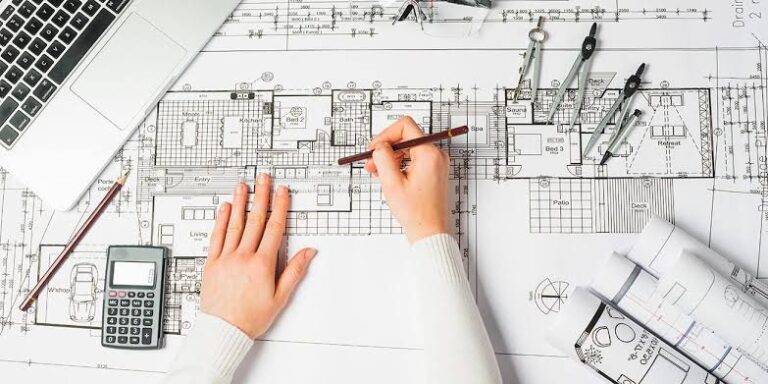
For a result that is both aesthetically pleasing and acoustically effective, precision is absolutely necessary. Moving on to the subsequent stage of the installation process for acoustic panels is the process of precisely identifying the placements for each panel. You may ensure that all of the panels are straight and aligned by using a laser level or a long spirit level. This applies to both the horizontal and vertical planes. In order to guarantee that the space is symmetrical from corner to corner, it is necessary to collect measurements from fixed locations, such as ceiling lines or corners. In situations when many panels are going to be installed, it is necessary to maintain a consistent spacing between them. This is typically accomplished by using small spacers or guides that have been pre-measured. Once the panels have been repaired, any errors that occurred during this marking phase will be instantly evident that were made. It is absolutely necessary to take the time to verify all of the measurements in order to ensure that the installation of the acoustic panels goes well.
The procedure of repairing
During the process of actually fixing the panels, the meticulous planning and measurement that was done will finally be put into action. The material of the surface and the type of panel both have a significant role in determining the manner of fixing. The utilisation of impaler clips is a methodology that is frequently utilised during the installation of acoustic panels for wall panels. The panel is then easily placed onto the sharp ends of these metal brackets, which keep it securely in place. These brackets are screwed to the wall. Another popular method involves the use of z-clips. In this method, one portion of the panel is fastened to the wall, and the other part is attached to the rear of the panel. This allows the panel to hang like a picture frame, which provides a fixture that is neither secure nor difficult to remove.
For surfaces that might not hold mechanical fixings well, or for a very quick and permanent fix, a powerful construction adhesive can be put to the back of the panel. There are two possible applications for this. It is difficult to remove without causing damage to the wall because of this restriction. In order to prevent ceiling panels from becoming a potential safety threat, it is typically necessary to install more strong mounting systems, which may at times involve the use of wires and suspension hardware. It is imperative that each procedure utilised in the installation of the acoustic panel be carried out with caution in order to prevent any damage to the panel’s edges or the fabric cover.
The process of overcoming challenges and reducing
Almost no room is completely square or devoid of any obstructions as much as others. The installation of acoustic panels frequently requires personnel to operate in close proximity to architectural features, electrical sockets, light switches and heating vents within the building. For this reason, the panels will need to be chopped or trimmed in order to comply. Due to the fact that any fraying or uneven cutting will give the impression of being unprofessional, this must be done with extreme care. In order to guarantee a clean edge, specialised equipment are frequently utilised. Additionally, following the cut has been performed, the fabric covering may occasionally need to be re-stretched and re-secured upon occasion. When trying to achieve a snug fit around door frames or window reveals, it is not uncommon to discover that some minor changes or adjustments are required. One of the defining characteristics of professional acoustic panel installation is the artistry with which these issues are addressed.
Comprehensive Acoustic Testing and Final Inspection
There is a comprehensive visual and acoustic assessment that takes place during the final phase of the installation of acoustic panels. All of the panels should be aligned, level, and free of any visible damage, glue residue, or blemishes on the fabric. This is the visual inspection requirements. It is important that the spaces between panels remain consistent. It is necessary to conduct acoustic tests in the room in order to verify that the desired effect has been accomplished. It is possible to determine whether or not flutter echoes have been eradicated through the use of straightforward clap tests; however, in professional settings, a final measurement of the reverberation time is typically acquired through the utilisation of specialised equipment. The purpose of the entire process of installing acoustic panels is to alter the aural experience of the room, and this last inspection verifies that the goal has been accomplished. It is frequently rather astonishing how much of a change there is in the sound quality after a successful installation of acoustic panels. The environment goes from being harsh and reflecting to being warm and controlled.
Final Thoughts
The installation of acoustic panels is an investment in the functionality and comfort of your space, and you should consider making this investment. The success of the project as a whole is dependent on each individual phase, beginning with the initial acoustic survey and accurate design and continuing through the careful marking, fixing, and final inspection. Although there are many aspects of the procedure that can be completed by a skilled do-it-yourself enthusiast, having a professional installation done guarantees the greatest possible aesthetic outcome, the highest possible level of safety, and most importantly, the most efficient acoustic performance. The ability to properly manage the project and look forward to the increased sound quality that is waiting for you is made possible by having a clear understanding of what to anticipate during the installation of acoustic panels.